
Build the foundations for safe, stable and independent wingsuit flight
The first-flight stage is not about “trying a wingsuit.” It is about learning how to manage the full skydive safely: from suit fit and aircraft exit to navigation, deployment, and canopy transition.
Stage 1
First Flight
Course
Stage 2
Essential Wingsuit
Techniques
Stage 3
Aerodynamic Wingsuit
Proficiency
Stage 4
Wingsuit Transitions
& Backflying
Stage 5
Precision Wingsuit
Acrobatics
Quick facts
Focus: Safety, stability, navigation, deployment
Environment: 1:1 coaching
Suit type: Beginner-friendly wingsuit
Typical entry point: First wingsuit flights
Progression leads to: Stage 2
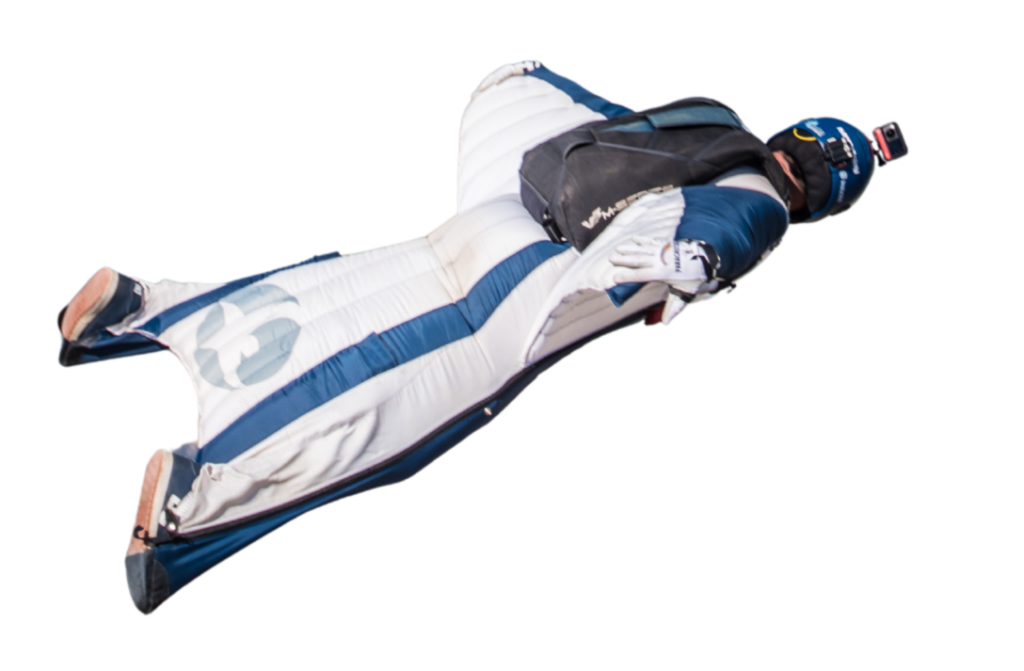
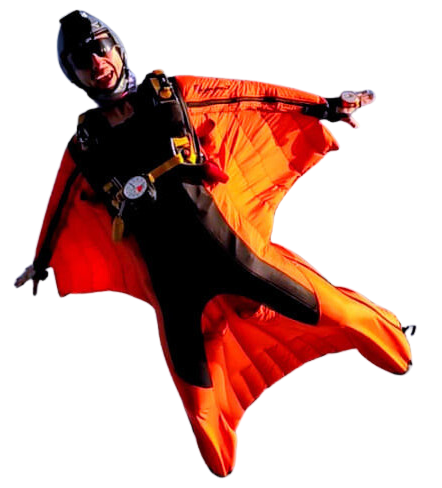
What this stage is really about?
This stage lays the foundation for everything that comes later. The goal is not style or performance. It is consistency, awareness, and safe decision-making.
Safety emphasis
Good Stage 1 progression is built around avoiding overload. Clean exits, simple plans, clear altitude discipline, and conservative decision-making matter more than trying to do too much too early.
Key areas of development
Suit fit and equipment setup
Start with equipment that is fitted, configured and understood properly before leaving the aircraft.
Stable exits
Build confidence in leaving the aircraft with stability, control and awareness from the first moment of flight.
Basic flight control
Learn to control the suit through clear, simple inputs that create repeatable flight.
Navigation and pattern flying
Develop the ability to fly a safe, planned line through the skydive with awareness of airspace and separation.
Altitude awareness
Build strong altitude habits so decisions happen early, calmly and at the right time.
Clean wave-off and deployment
Create a disciplined deployment sequence that supports stability, awareness and safe separation.
Post-opening management
Transition smoothly from freefall to canopy flight with immediate checks and controlled decision-making.
What coaches are usually looking for
Predictable exits
Stable body position
Clear awareness of flight path
Reliable altitude checks
Calm, repeatable deployment sequence
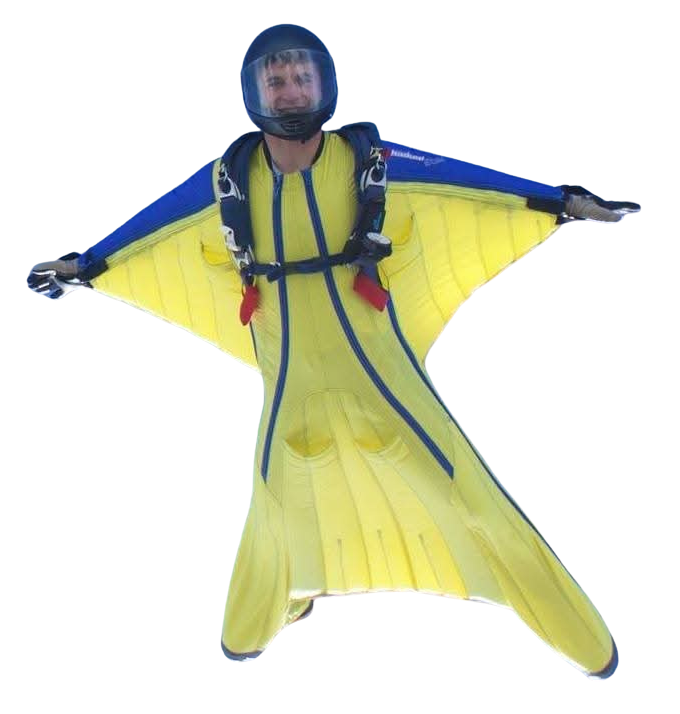
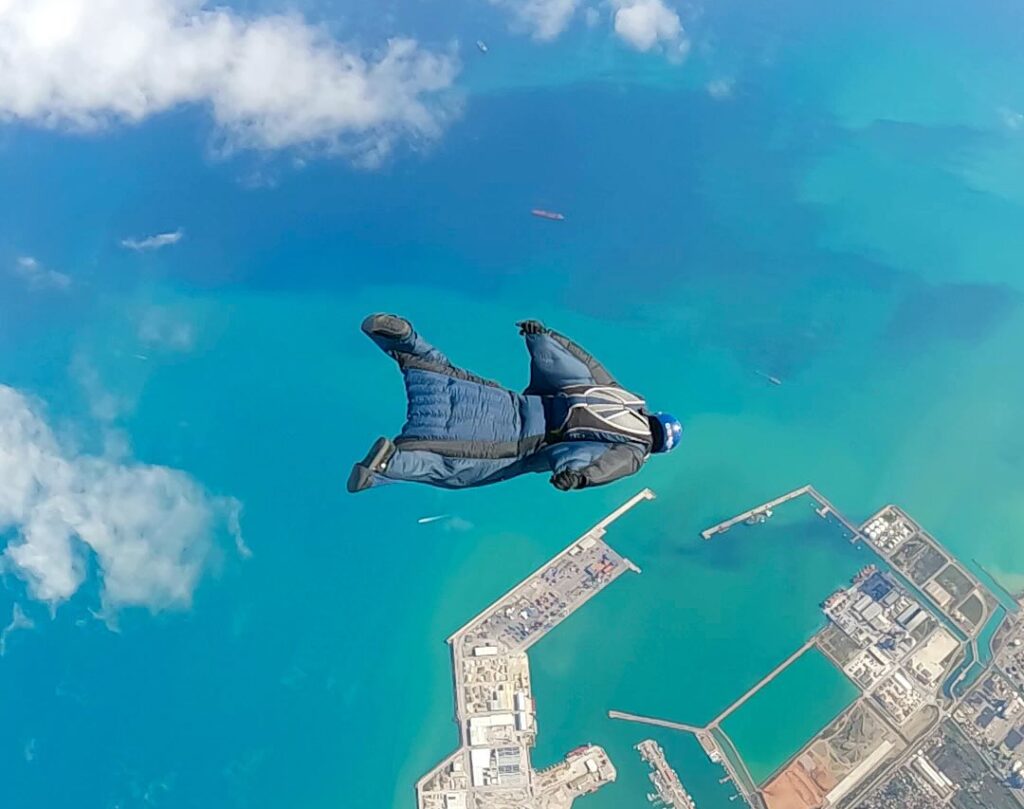
Typical training themes
01- Ground drills for body position and exits
02 – Navigation planning with weather and spot awareness
03 – Practice touches and deployment work
04 – Debriefs focused on stability and safety
What comes next?
Stage 2 introduces relative flight, multi-axis control, and the first real demands of flying with others.