

Understanding the Wingsuit Progression Path
How the Leading Edge progression system works: four suit classes, eleven coached stages, specialist pathways and rated coaches signing off every step. A guidance framework, not a rulebook, from first flight to advanced suits.
How the Leading Edge progression system works: four suit classes, eleven coached stages, specialist pathways and rated coaches signing off every step. A guidance framework, not a rulebook, from first flight to advanced suits.
How the system works
Wingsuit progression is rarely linear. Different pilots develop at different speeds, with different strengths, in different environments. The Leading Edge progression system exists to give that development structure and direction, without pretending every pilot should progress the same way.
The mechanics are simple. The path is built around four suit classes: FFC (First Flight), Small, Intermediate and Advanced. Each class has its own badge stages, and the number reflects the work that class actually holds: the FFC is a single stage (the course itself), the Small suit class has four stages where the real foundations are built, and the Intermediate and Advanced classes have three stages each as the skills compound. Eleven coached stages in total. You work through the stages of your current class with a coach; when a stage is demonstrated, your coach awards the badge and it is recorded on your digital flyer profile with their name against it. Scan any flyer's QR code and you see exactly where they are in their progression and who signed each step off.
Beyond the core ladder sits the specialist sector: disciplines like Acro, Performance, XRW, AWF and dynamic flying that branch off as your fundamentals mature. Specialisms are not a fifth class; they are directions you take your flying once the class you are in supports them, each with coaches who focus on that discipline.
A guidance system, not a licence
This is the most important thing to understand about the path: it is guidance, not regulation. Badges are not licences, and the system is not a substitute for real-world coaching, local DZ procedures, manufacturer guidance or your national federation's rules.
What the system does is give pilots and coaches a shared language:
- what skills matter at each phase
- what good foundations look like
- what a coach wants to see before moving someone on
- how the disciplines branch out as you develop
A pilot with every badge in a class still moves up when their coach says they are ready, not before. A pilot missing a badge is not grounded; they simply have a clearer picture of what to work on next.
Upskilling through the suit sizes
The chart below shows the ladder. Suits get bigger as you progress, and each step up is a deliberate decision made with your coach, never an online checkout decision.
Moving up a class is earned in the class below. When you and your coach agree the fundamentals are solid, you step up, and the stages begin again on the bigger wing: the same skills, rebuilt at higher speed with more surface area and less margin. That is by design. A pilot who has consolidated each class flies the big suits with capacity to spare; a pilot who rushed is a passenger.
Manufacturers publish experience recommendations for their suits, and our coaches use a categorised suit database that maps every current and discontinued model to its class, including which suits sit at the demanding end of their class. Ask your coach before buying anything; secondhand bargains in the wrong class are the most expensive mistake in the sport.
Different levels of coach
Coaches are rated on the same ladder as pilots, which is what keeps the badge system honest. Every newly approved coach starts as an FFC coach. From there, master coaches assess and rate coaches as Small, Intermediate or Advanced, and a coach can only award badges at or below their own rating.
So when a badge appears on your profile, it means a coach rated for that level of flying watched you demonstrate it. That is the entire value of the system: no self-certification, anywhere.
Break-off: the skill that opens every door
Before any of the fun starts - flocking, acro, performance - there is one skill that underpins all group wingsuit flying: break-off. From your very first course you are taught that every jump ends with a deliberate separation: turning away from the group onto a clear track, gaining horizontal separation, clearing your airspace and deploying in clean air at the planned altitude.
It sounds simple. It is also the single most safety-critical habit in the sport, and the first thing a coach looks at before inviting you into bigger groups. As you move up the classes, break-off gets faster, the groups get bigger and the closure rates get higher; the habit has to be automatic long before then. Treat every stage's break-off standard as the gate to the next one, because your coaches will.
I am ready to start wingsuiting!
If you are ready to get stuck in, the next step is to find a coach and book your FFC (First Flight Course). Check out the British Skydiving wingsuit manual to prepare, then get in touch with your local DZ or find a coach on our platform below.
What comes next?
The first step on the path is Stage 1: the First Flight Course, where the focus is learning to manage the full skydive safely and with control.
Four suit classes. Eleven coached stages.
You progress through the stages of your current suit class with a coach, then step up a class when your coach agrees you are ready. The suit gets bigger; the fundamentals start again.
Where everyone starts. The First Flight Course teaches you to manage a full wingsuit skydive safely: exit, flight pattern, break-off, deployment. Flown on a dedicated student suit under direct coach supervision.
Your first owned suit. Small surface area, forgiving behaviour, quick recovery. This is where the real foundations are built: body position, heading control, flying relative to others.
More surface, more speed, more consequence. Intermediate suits reward the fundamentals you built low and expose the ones you skipped. Most disciplines open up here: flocking, acro, early performance.
Large, high-performance wings including race and competition designs. Big glide, big speed range, and no tolerance for gaps in your foundations. Reached with coach sign-off, not jump numbers alone.
Two-way acrobatics: docks, grips and transitions flown to competition sequences.
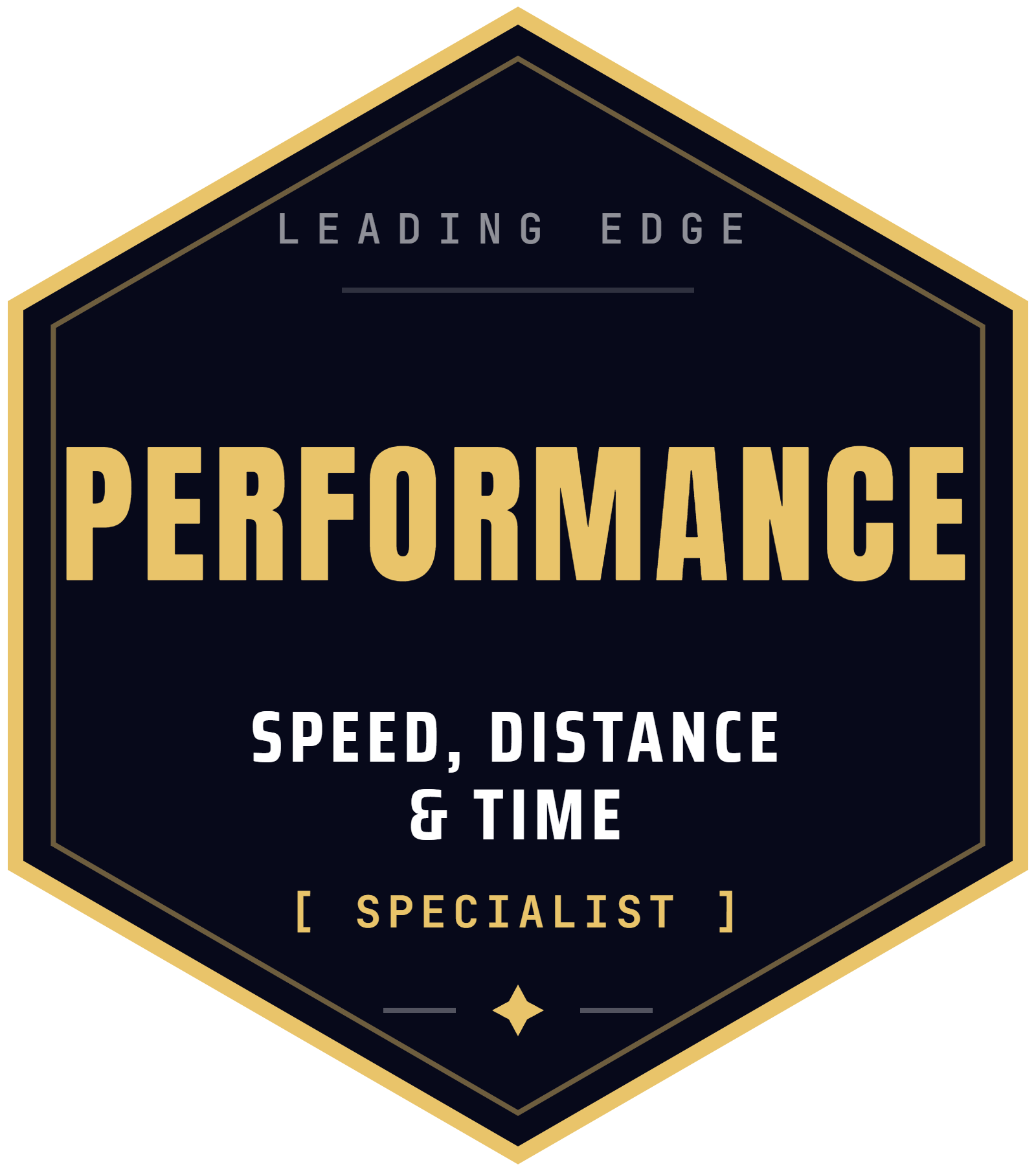
Time, distance and speed flown solo through a measured competition window.
Wingsuits flying relative with high-performance canopies: mixed formation work.
Advanced wingsuit formation flying: bigways, camps and record attempts.
Fast, close, choreographed group flying with constant level and slot changes.
Tunnel, BASE preparation, load organising: wherever your flying takes you next.
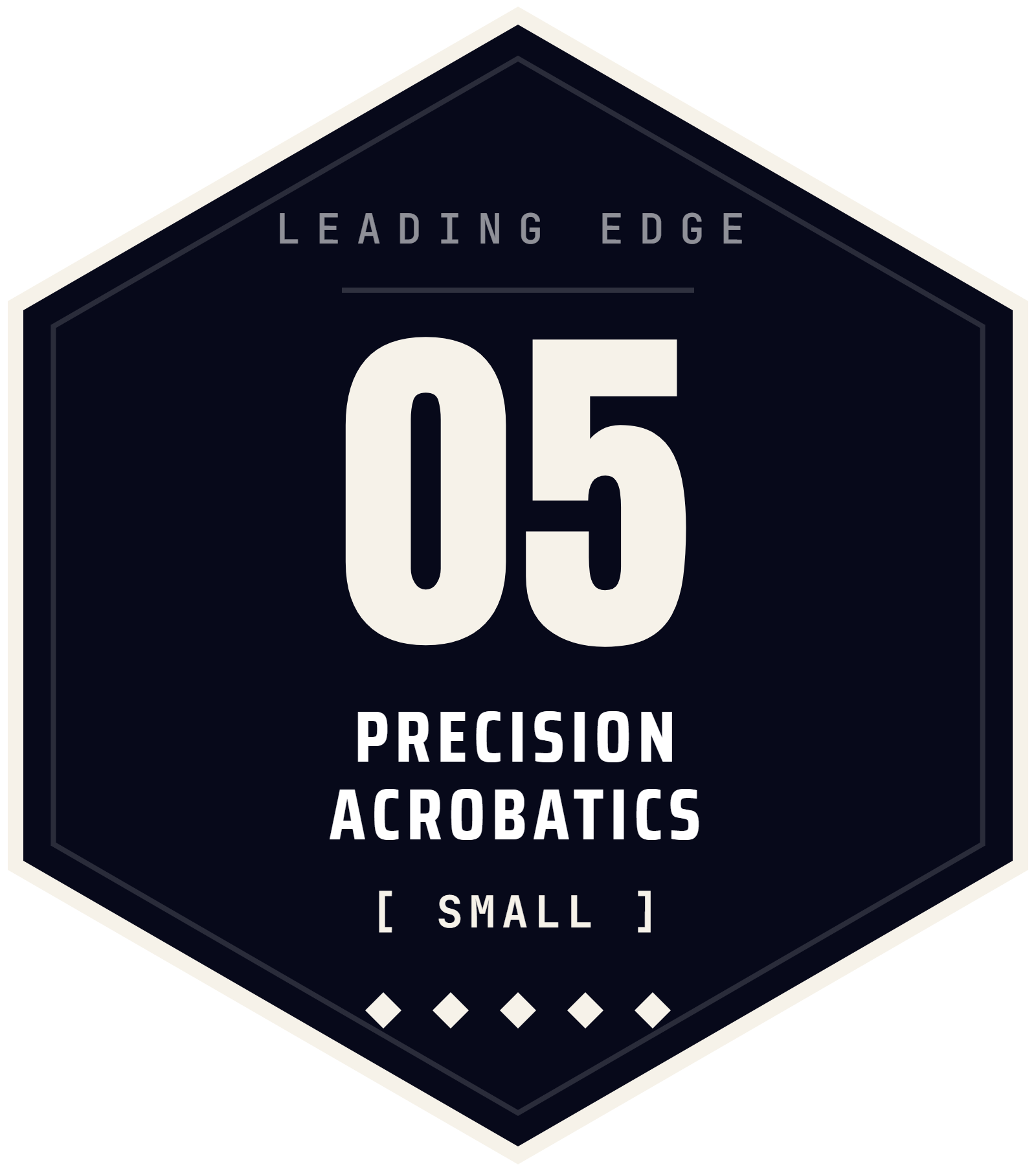
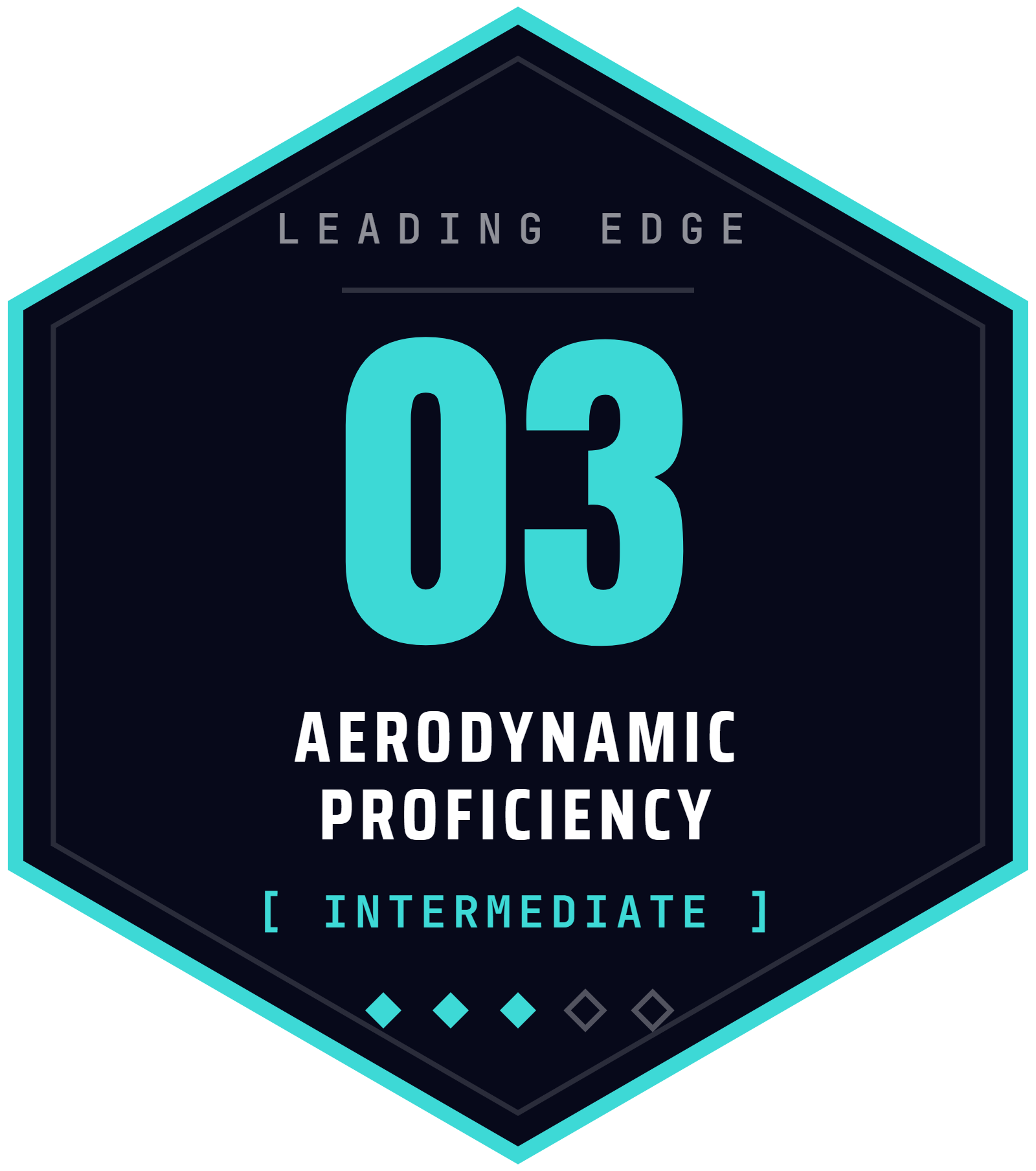
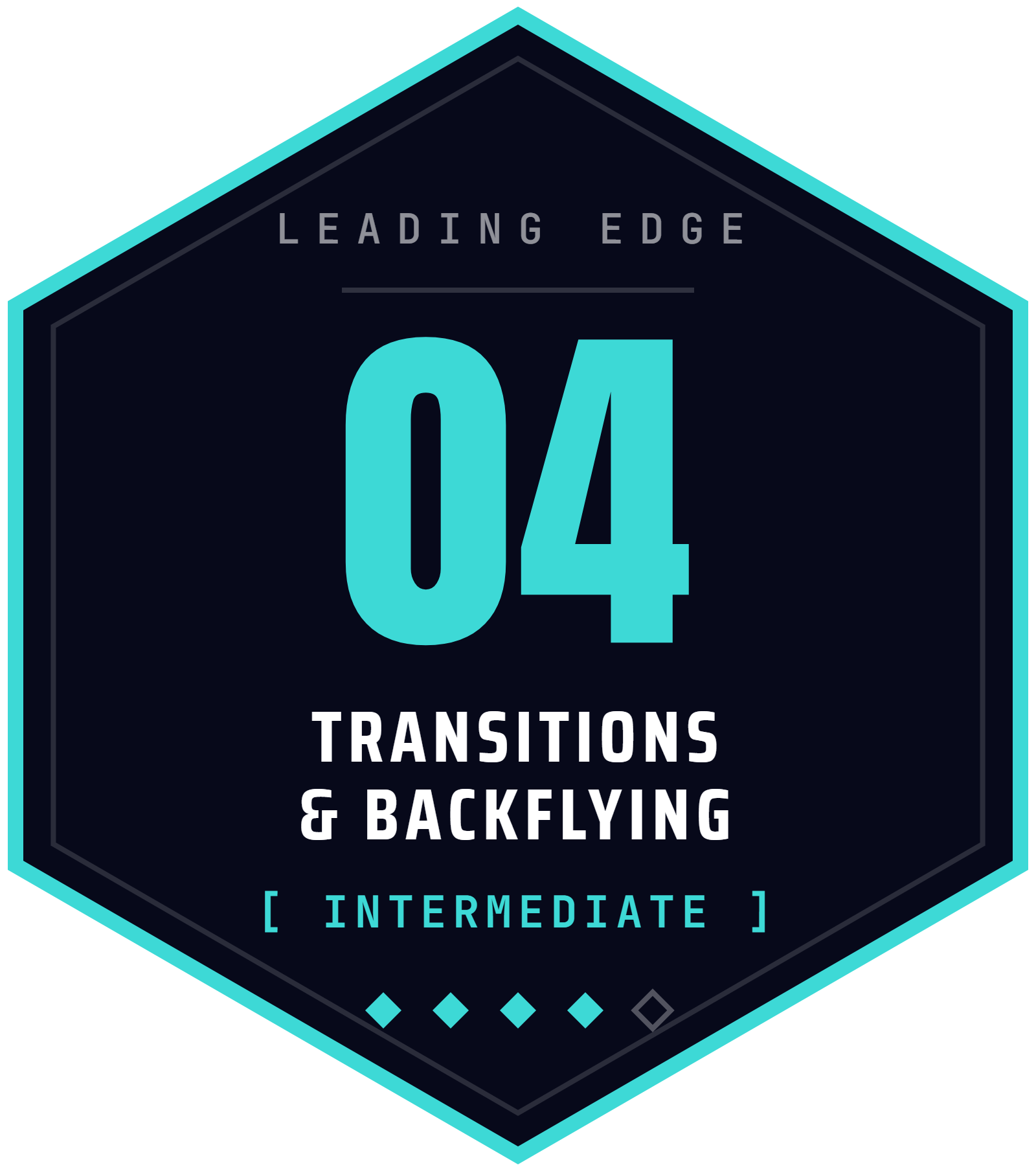
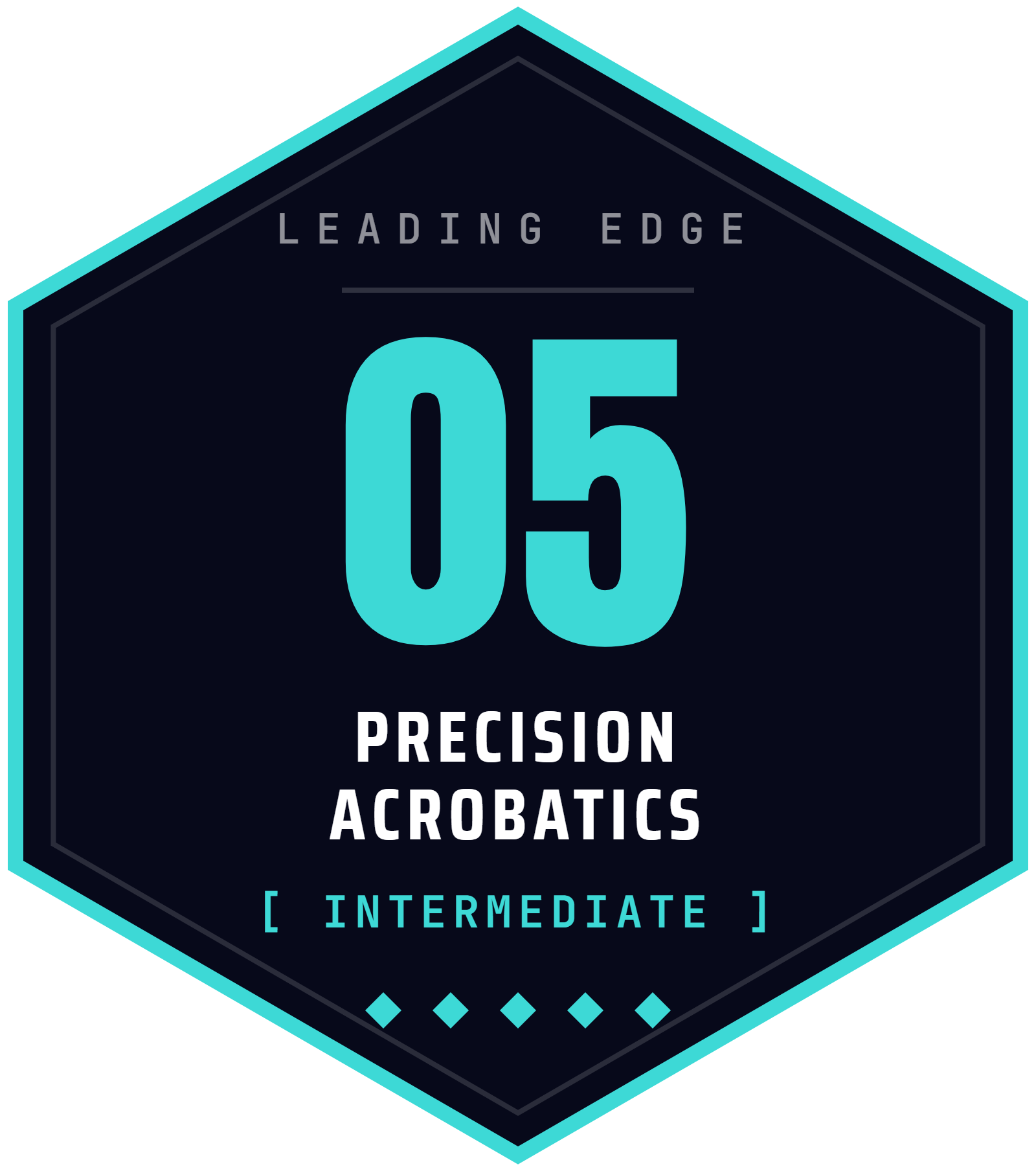
Every badge names the coach who awarded it.
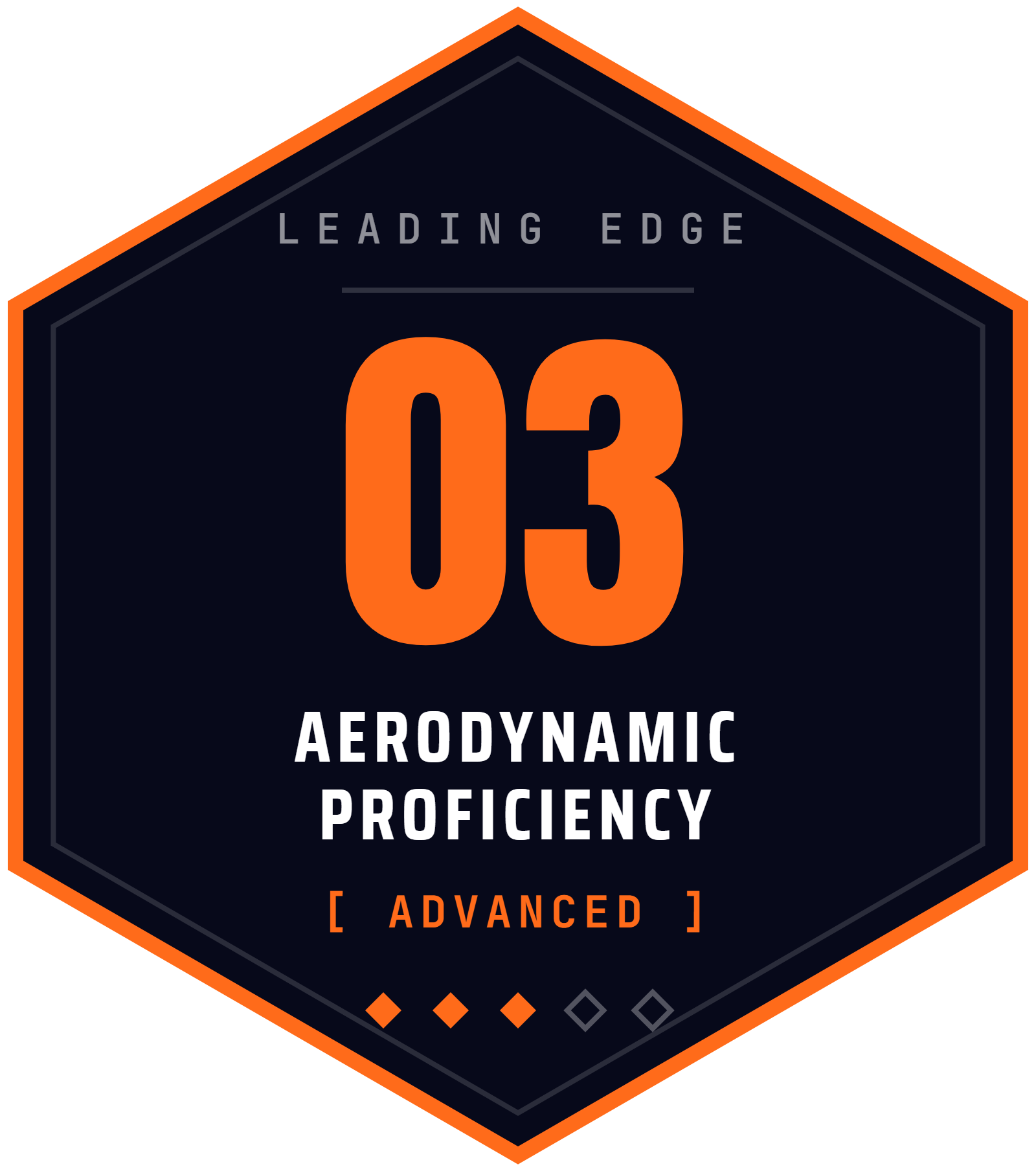
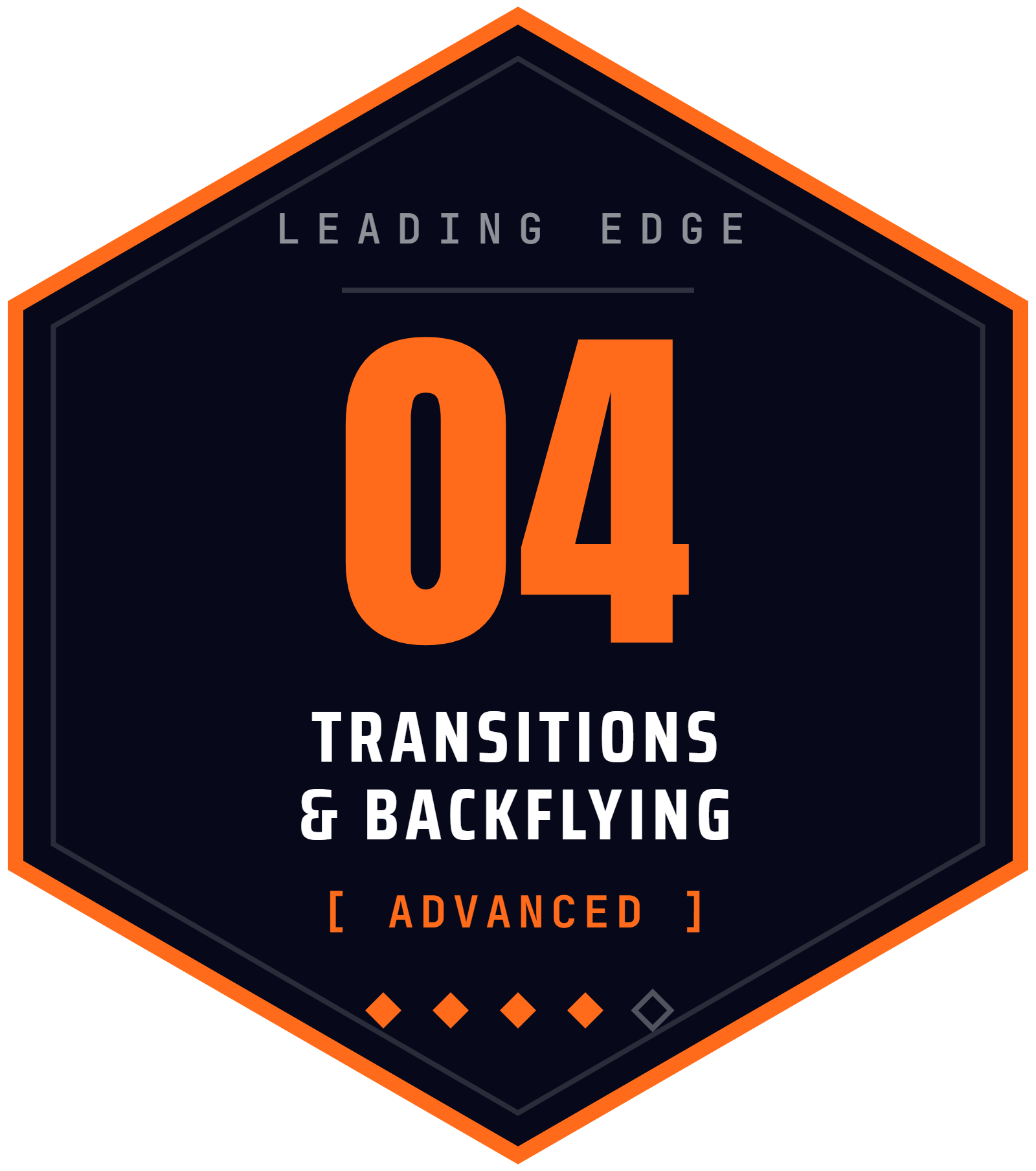
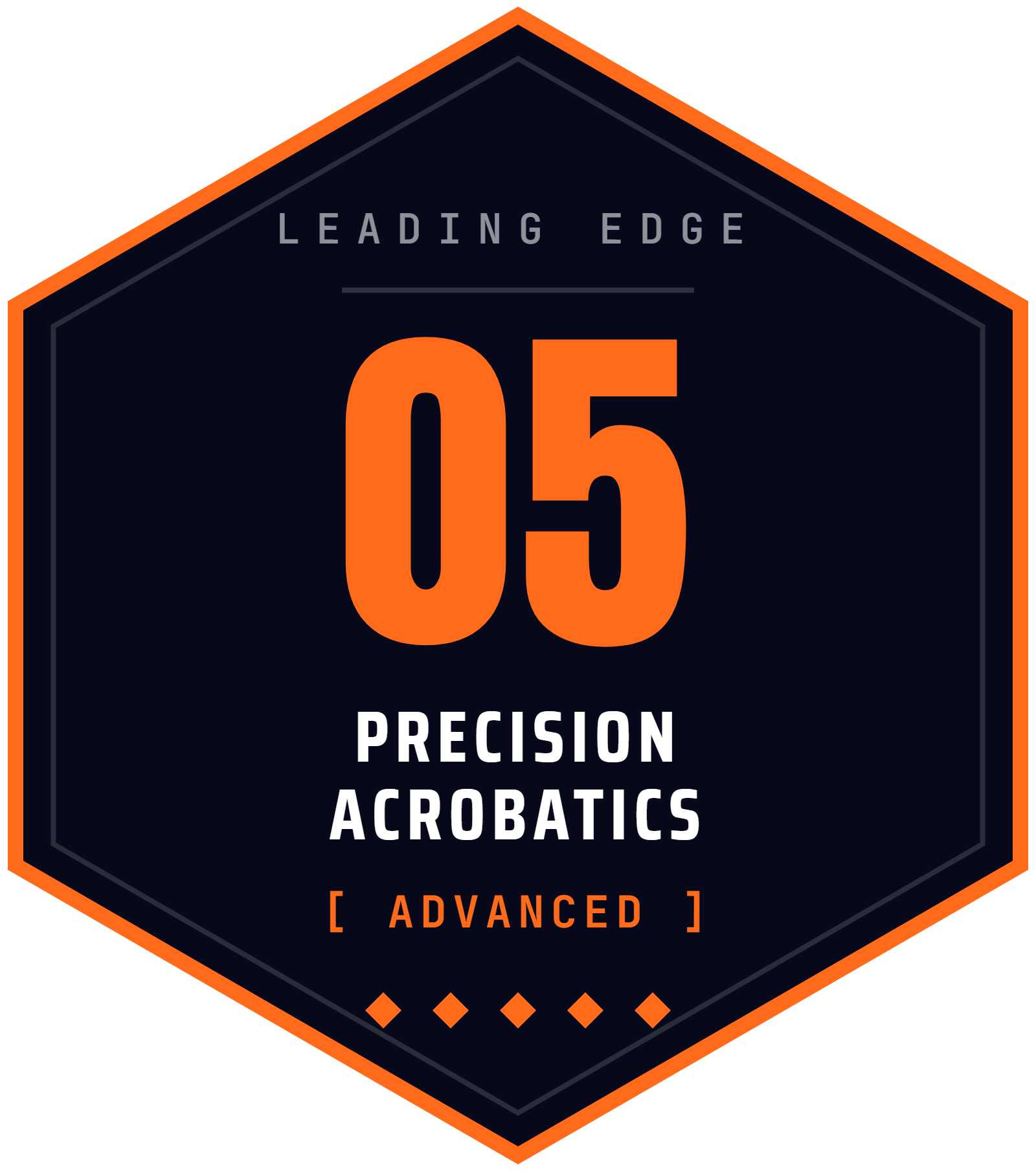
These are the live badges in the system right now. A coach can only award badges at or below their own rating, and every award is recorded on your digital flyer profile with the coach's name against it.

Coaches hold ratings too.
Every approved coach starts here: qualified to run First Flight Courses and award FFC-stage badges.
Coaches are rated on the same suit-class ladder as pilots. A coach can award badges at or below their own rating: an Intermediate-rated coach signs off Small and Intermediate stages, but not Advanced ones.
A small number of master coaches qualify the coaches themselves, setting the suit-class rating that gates what each coach can sign off.
Guides get you the framework. A coach gets you the reps. Find someone for where you are in your flying.
Want this kind of thinking, monthly?
New episodes, field notes and event drops. One email a month. No marketing fluff, no hype.