

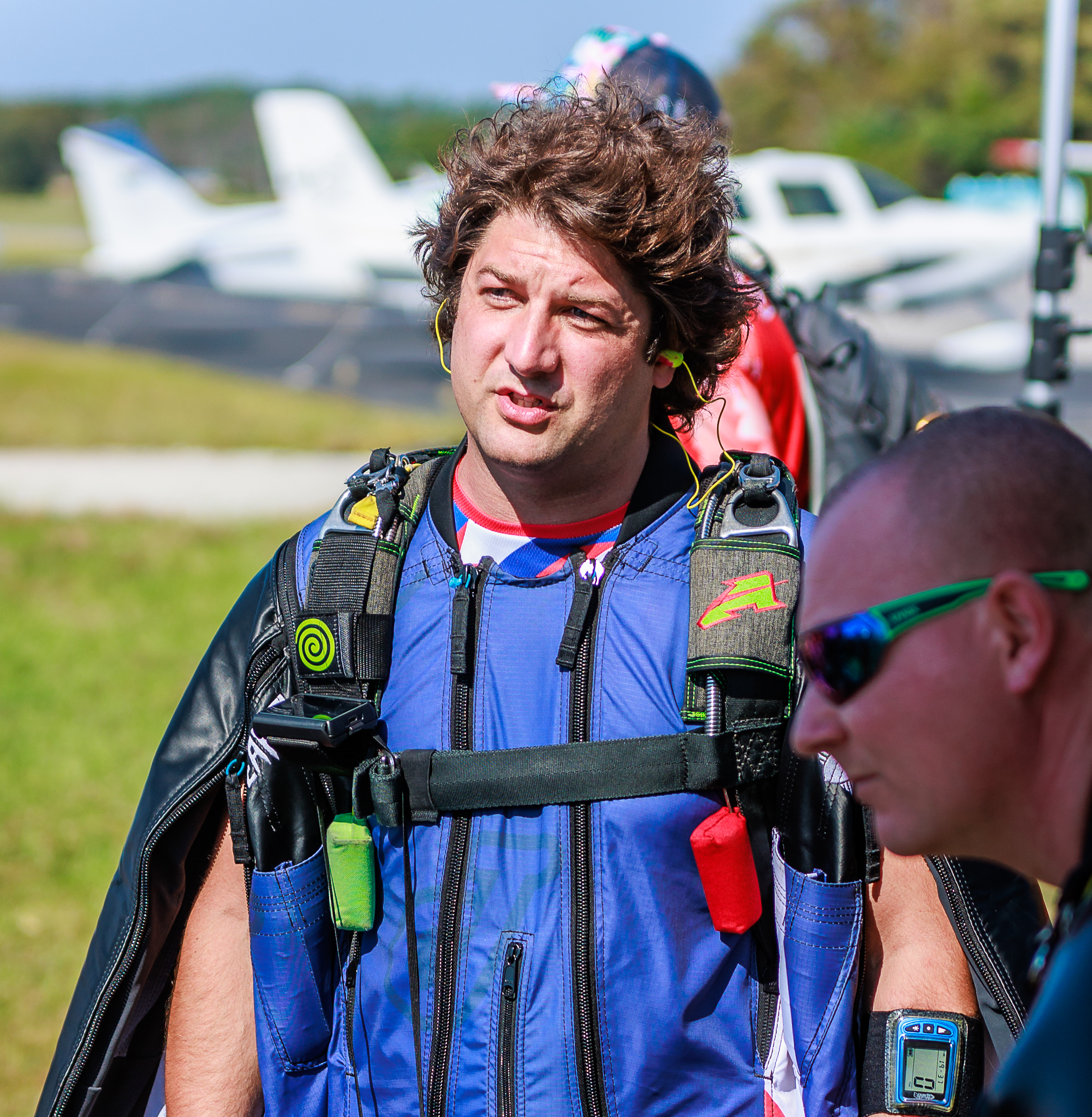

The sun starts showing up, people begin dusting off their rigs, and suddenly the season feels close again.
That excitement is real. But excitement and readiness are not the same thing.
That is probably the biggest point from a recent conversation I had with the Inclined Labs crew. We talked about what “being ready” for the season actually means, and the answer was not just whether your suit still fits, your reserve is in date, or you can still remember how to fly. It was broader than that. It was about whether your habits are sharp, whether your thinking is clear, and whether your first jumps of the year actually make sense.
A lot of wingsuiters make the same mistake at the start of the season. They assume that because they were current last year, they can pick up exactly where they left off. But after a break, even experienced jumpers can be rusty in ways that are easy to overlook. Emergency procedures, flight planning, weather awareness, local drop zone rules, gear setup, group discipline, canopy confidence, these are the things that start to drift when you have been away from it for a while.
So before you charge into your first wingsuit jump of the year, here is the better question:
Are you actually ready?
Start with honesty, not hype
One of the clearest themes from the conversation was this: do not let your ego plan your start to the season.
Tomic Kluzniak put it well. If you finished last season doing bigger jumps, more dynamic flying, or more demanding group dives, that does not automatically mean that is where you should restart. After a layoff, you are unlikely to have the same feeling, timing, or intuition that you had at peak currency. Trying to jump straight back to that level is where people begin stacking risk for no good reason.
That is not just a wingsuit issue either. It can show up under canopy, in decision-making, in your ability to stay ahead of the skydive, and in how quickly things start to feel busy again.
The right mindset for the start of the season is simple: be honest about where you are today, not where you were last summer.
Rebuild the basics before you need them
Patrick Kramer framed this from his AFF background, and I think it is a very useful lens. When people come back after time away, the safest approach is to think almost as if you need to re-load the whole system. Not because you have forgotten how to skydive, but because the things that matter most are often the things you do not use every jump.
That means revisiting:
- emergency procedures
- weather and winds
- local drop zone rules and briefings
- exit order
- landing patterns
- general gear readiness
Patrick and Arvid Endler both made the point that the procedures you do not use regularly are exactly the ones worth reassessing, visualising, and mentally walking through before the season starts. You want them present in your mind before they are ever needed.
This is especially true at the start of the year, when the temptation is to focus on the fun part and assume the rest will come back automatically.
Do your gear checks before the drop zone does them for you
There is nothing glamorous about gear prep, but turning up to the drop zone only to realise you forgot something obvious is a terrible way to start a season.
The advice from the conversation was practical: prepare before you travel, put everything in one place, and mentally visualise the jump so you can work through exactly what you will need. That includes not only your rig and wingsuit, but also the easy-to-forget details like altimeters, batteries, chargers, camera setup, SD cards, paperwork, and anything else that creates friction when you arrive.
At a minimum, your pre-season check should include:
- reserve repack status
- overall condition of the rig after storage
- wingsuit condition
- altimeter working and charged
- audible(s) working
- AAD checks and validate settings for the jump you intend to do
- hook knife
- phone
- helmet
- any travel documents, membership, waivers, or DZ-specific requirements
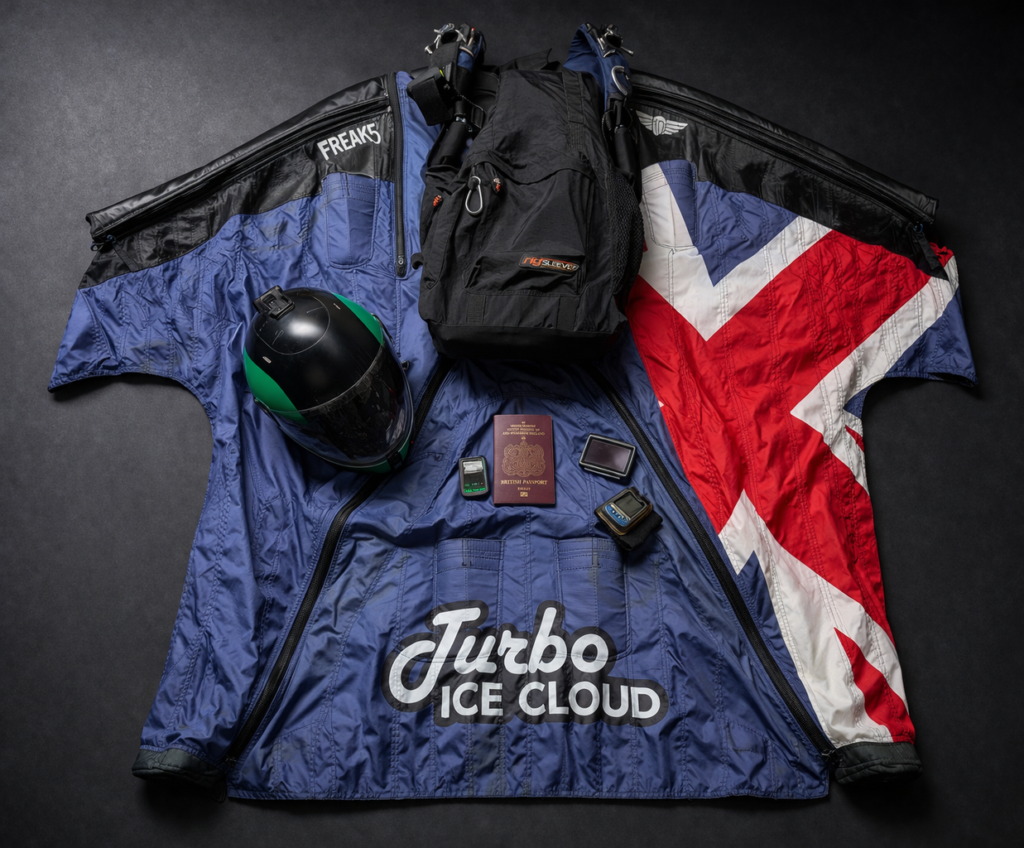
The coaches also called out a few specifics worth highlighting. Tomic mentioned an external altimeter as particularly helpful for many jumpers, especially beginners, and strongly recommended at least one audible. Patrick added the importance of a hook knife on the wingsuit, and he also made a very sensible point: if you bought a new suit over the winter, the first jump of the year is probably not the moment to make that your starting point. If you still have your previous suit, getting current again in that first may be the smarter option.
There is nothing wrong with making your first day back feel a bit boring. Boring is often a very good sign.
Use a buddy check, even if you are experienced
One of the more useful reminders in the conversation was the value of another set of eyes.
If you are a lower-experience jumper, formal checks are often built into the system anyway. But for more experienced people, that structure can disappear because everyone assumes you know what you are doing. That is exactly why having a simple buddy check is still valuable. Patrick recommended it clearly: there is nothing wrong with having someone else look over your gear before you go.
That does not have to be complicated. It can be a wingsuiter, another skydiver, or just someone you talk through the checks with. Saying things out loud forces you to be systematic, and a good checking culture does not just help you, it raises the standard around you too.
Treat your first jump like a first jump
This is where a lot of people get caught.
Tomic broke it down well: if you are relatively new to wingsuiting and only built a limited amount of real muscle memory last season, then after a long break you should assume you are coming back much closer to the beginning than you would like to admit. In that case, a solo jump with low pressure, low complexity, and a deliberately low bar is often the best re-entry. Then you gradually add complexity back in.
If you are more experienced, your entry point can obviously be higher. But even then, the advice was still not to go straight back to your max level. Aim for something that feels comfortably inside your ability, not something that demands your absolute best on jump one.
That is not a lack of ambition. It is discipline.
Plan the jump before you get in the aircraft
Arvid added something I really agree with: for that first jump back, do not leave the thinking until the aircraft.
Go through the whole plan properly. Exit. Flight plan. Winds. Opening area. What you are looking for. What you will do if things do not look how you expected. If you are a beginner, ask for advice. If you know the process already, still run through it again. The goal is simple: when the jump starts, you should not be figuring it out in real time.
This matters even more if you are not current, if you are at a busier DZ, or if there are other wingsuiters on the load.
Being prepared in your head gives you room to actually execute.
Think carefully before joining bigger groups
There is nothing wrong with wanting to get back in with your mates. But the start of the season is not the ideal moment to let social momentum make your decisions for you.
The conversation made a strong case for taking the steady option first. Beginners should think solo or very low complexity. More experienced people can rejoin groups earlier, but still with restraint. The main idea was consistent: do not blindly jump into bigger ways, dynamic jumps, or more demanding flying just because that is what is happening around you.
This is particularly important because the things that get rusty first are often not obvious in freefall. They show up in timing, judgement, pacing, and your ability to stay calm when the dive develops differently than expected.
On some jumps, a slick first might be smarter
There was also a useful point around whether a slick jump can make sense before your first wingsuit jump of the year.
The answer from the coaches was basically yes, in the right context.
If you are still generally a beginner wingsuiter, or if you are at a new drop zone, a slick jump first can be a very smart progression step. Some drop zones require it anyway before allowing wingsuit jumps, and that comes from a sensible place. A wingsuit adds complexity. If you do not need that added complexity on your first jump, why add it?
Tomic’s point here was especially clean: if you are unfamiliar with the DZ, you may as well make the first jump simpler, stay right above the drop zone, open a little higher, and get a proper look at the place before you add the wingsuit and open much further away.
That is just good progression.
Tunnel time can reduce the mental load
Given the conversation was with three tunnel coaches, tunnel time was obviously part of the discussion. But what I liked was that the rationale was not salesy, it was practical.
Arvid explained it well: if you can get your flying feeling back in the tunnel first, you free up mental capacity for the parts of the skydive that really need your attention at the start of the season. Instead of over-focusing on body position and basic control, you can think more clearly about flight path, pattern, awareness, and the rest of the jump. Patrick made the same point more simply: if the flying itself does not require much thought, you have more headspace for everything else.
That does not mean tunnel is mandatory for everyone. It does mean it can be a very effective way to reduce overload, especially if you are rusty, early in progression, or planning to do a First Flight Course or early-season jump camp.

Get comfortable again before you get clever
If I had to summarise the whole conversation in one line, it would probably be this:
Get comfortable again before you start trying to be impressive.
Arvid’s final point was about becoming genuinely comfortable in your suit again, not just surviving the jump, but actually feeling the full range of control. Can you move in the suit freely? Can you access the speed range? Do you understand the limits? Or do you just feel stuck and tense and like you cannot do much without losing control? If it is the latter, then your job is not to escalate. Your job is to get comfortable first.
That is what readiness looks like.
The simplest advice of all: don’t rush
All three coaches landed in roughly the same place.
Tomic’s advice was not to rush. Build progressively, level up slowly, and do not overload yourself because you are excited.
Arvid’s advice was to make sure you are genuinely comfortable in the suit you are flying before asking more of yourself.
Patrick’s advice was classic: KISS – keep it simple, stupid. And maybe the best line of the whole discussion: ego does not fly.
That is probably the right note to finish on.
Final Thoughts
A good wingsuit season does not usually start with your biggest jump of the year.
It starts with honesty.
It starts with checking the obvious things properly. It starts with thinking through your first jumps. It starts with leaving space for the basics to come back. It starts with good decisions before clever ones. That was the big message from this conversation, and it is a useful one. The people who build strong seasons are usually not the ones who arrive trying to prove something on jump one. They are the ones who build back progressively, stay disciplined, and let currency return properly before they start pushing again.
So yes, wingsuit season might be here.
But before you ask what jump you want to do first, ask the more important question:
Are you actually ready?