
Refine precision, performance and group responsibility while preparing for more advanced wingsuit flying
Stage 3 is where wingsuit flying becomes more deliberate. The focus shifts from simply flying safely with others to refining how you move through the air, how efficiently you fly, and how precisely you can perform within a group.
Stage 1
First Flight
Course
Stage 2
Essential Wingsuit
Techniques
Stage 3
Aerodynamic Wingsuit
Proficiency
Stage 4
Wingsuit Transitions
& Backflying
Stage 5
Precision Wingsuit
Acrobatics
Quick facts
Focus: Efficiency, exits, docking, precision, group responsibility
Environment: Small coached groups
Suit type: Beginner wingsuit
Entry point: After developing controlled relative flight and group awareness
Progression leads to: Stage 4
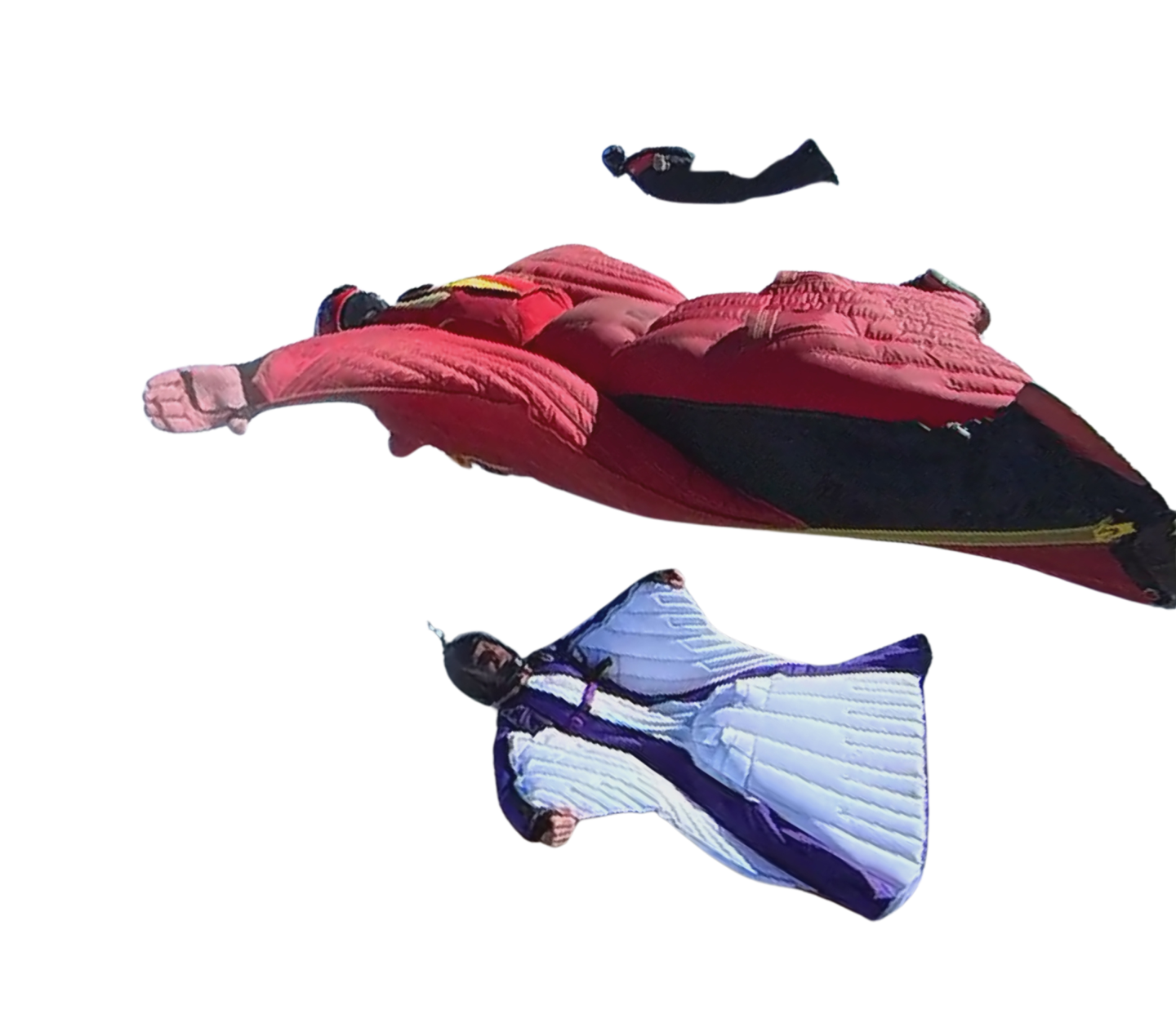
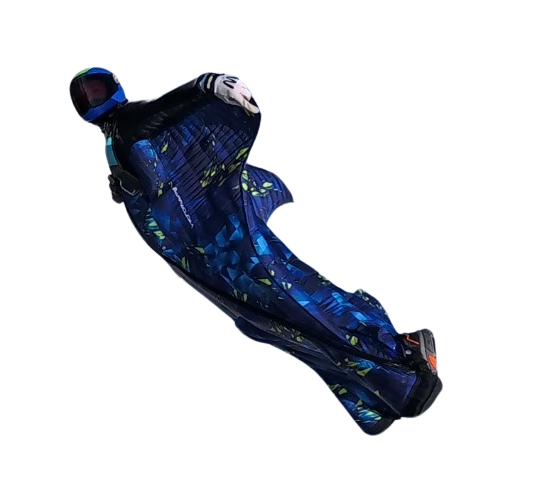
What this stage is really about?
Stage 3 is about refining the details. This is where pilots begin to build greater aerodynamic awareness, cleaner movement, and a more technical understanding of how body position, intent and discipline affect performance in the sky.
Safety emphasis
As precision increases, so does task loading. Good progression at this stage is built on staying calm, repeatable and predictable while introducing more technical challenges such as advanced exits, docks and group responsibilities.
Key areas of development
Dive and float exits
Learn to leave the aircraft cleanly in different roles, with control, awareness and an understanding of how exit type affects the formation.
Aerodynamic efficiency
Develop a better understanding of how body position influences speed, lift, range and overall flight performance.
Docking skills
Build the ability to approach and take docks in a controlled, deliberate and repeatable way.
Slot discipline
Learn to maintain your position accurately within a formation while staying responsive without becoming reactive.
Performance awareness
Begin to understand how efficiency, fall rate and forward drive interact, and how small changes in input affect the flight.
Group responsibility
Develop a broader awareness of your role within the skydive, including planning, brief understanding and supporting safer group outcomes.
Technical consistency
Work towards repeatable flight that looks calm, clean and intentional across a variety of jump types.
What coaches are usually looking for
- Clean and adaptable dive and float exits
- Controlled proximity flying with accurate speed adjustment
- Safe, deliberate docking behaviour
- Better understanding of aerodynamic efficiency
- Awareness of how performance inputs affect the flight
- Ability to hold position in more complex formations
- Early signs of leadership, planning and group awareness
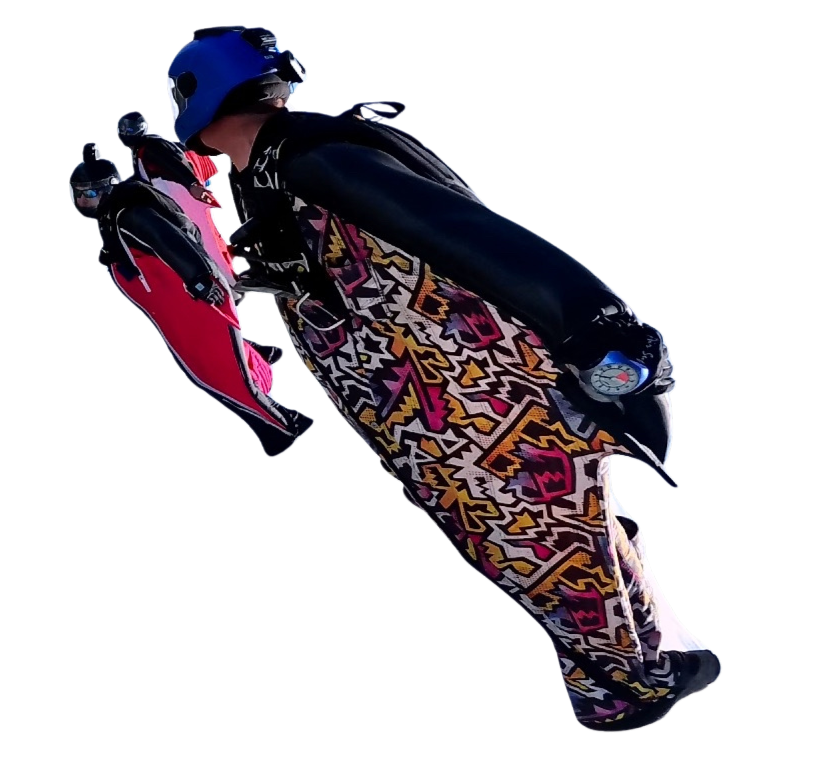
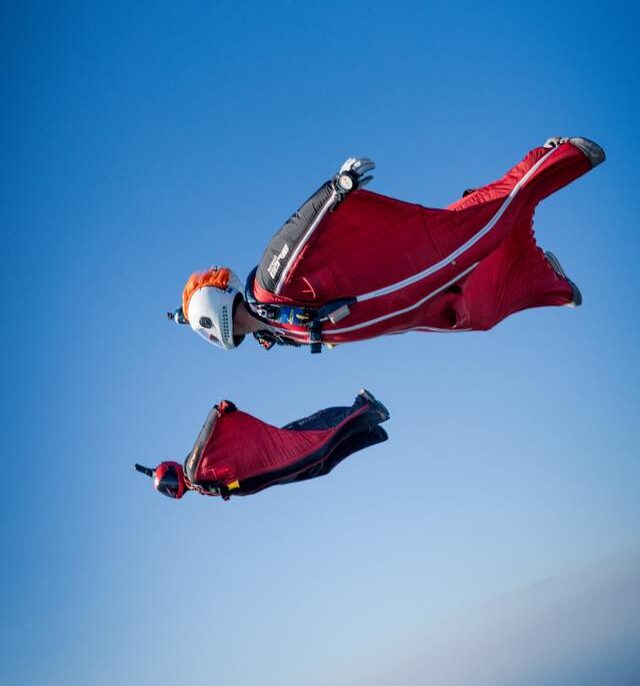
Typical training themes
01- Exit drills (dive & float) focused on different configurations and group roles
02 – Docking exercises with emphasis on control and timing
03 – Small formation flying with tighter positional expectations
04 – Break-off practice with strong altitude and separation awareness
05 – Debriefs focused on predictability, discipline and group safety
Signs you may be ready for the next stage
- You can exit cleanly and predictably in different roles
- Your approaches and docks are controlled, deliberate and repeatable
- You are beginning to understand performance, not just position
- You can hold your place within more technical formations
- You show growing judgement around planning, discipline and group coordination
- You are ready to begin exploring more dynamic movement with control rather than curiosity alone
What comes next?
Stage 4 introduces the next phase of technical wingsuit flying, where the focus shifts toward transitions, backflying, backfly exits and greater precision through controlled manoeuvres.