
In this episode of Leading Edge, Alex breaks down the fundamentals of body awareness, from understanding subtle inputs to building real control in the air. We explore why most pilots misunderstand movement, how to train better without the tunnel, and why mastering your body, not just your suit is the key to progression.
What you’ll hear on Leading Edge:
| 00:00 | Introduction |
| 00:55 | Six Years of Learning the Body |
| 02:26 | The Early Confusion: “What Do I Do With My Body?” |
| 03:53 | Breaking Down Movement Inputs |
| 05:15 | The Seven Body Inputs That Control Flight |
| 06:54 | Fly the Body, Not the Arms |
| 09:03 | Training Without the Tunnel |
| 10:48 | The Problem With Coaching Language |
| 12:24 | Small Corrections, Big Results |
| 13:42 | Do We Need a Shared Movement Language? |
| 14:22 | The Big Mistake: Skipping the Fundamentals |
Guests
A huge thanks to Alex Knaub here for joining me on the podcast:
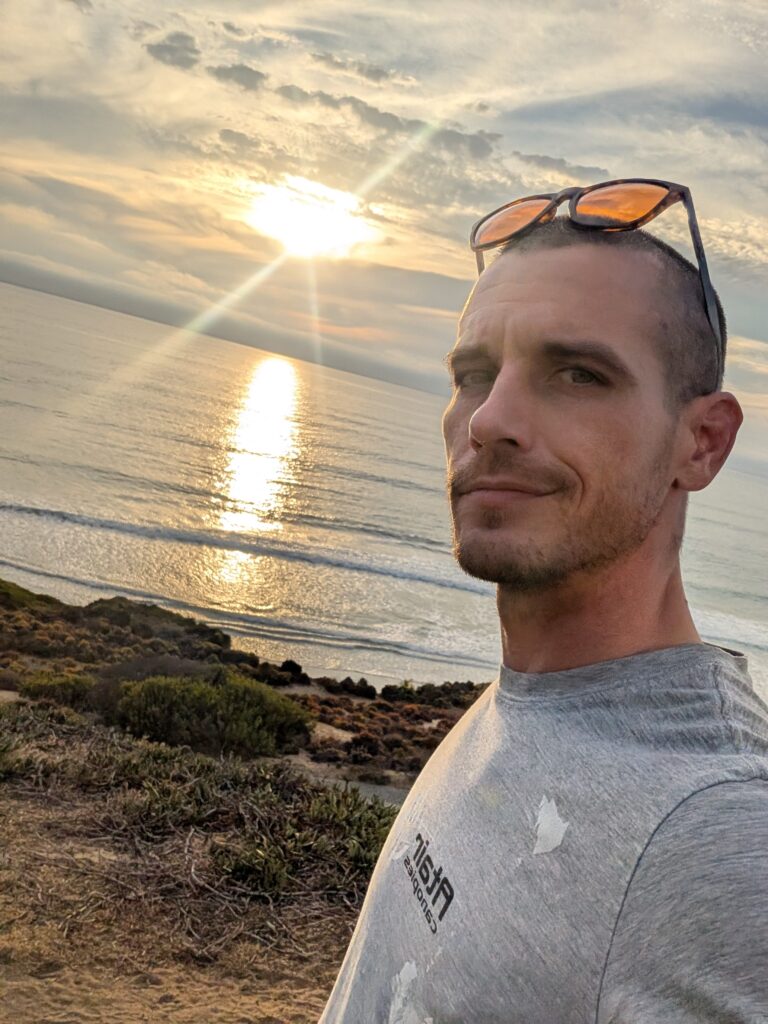
Alex Knaub
Alex Knaub started as just every other skydiver, dreaming of flight and sucking at flying. Thus began the rapid journey into wingsuits full time. In 2021, he moved to Sweden and start learning and working in the tunnel. 1000hrs of flying and a 1000 jumps later, he started to figure a couple things out. It’s all about how we move, and now it’s a journey to figure out the movements and document them for others to build upon.
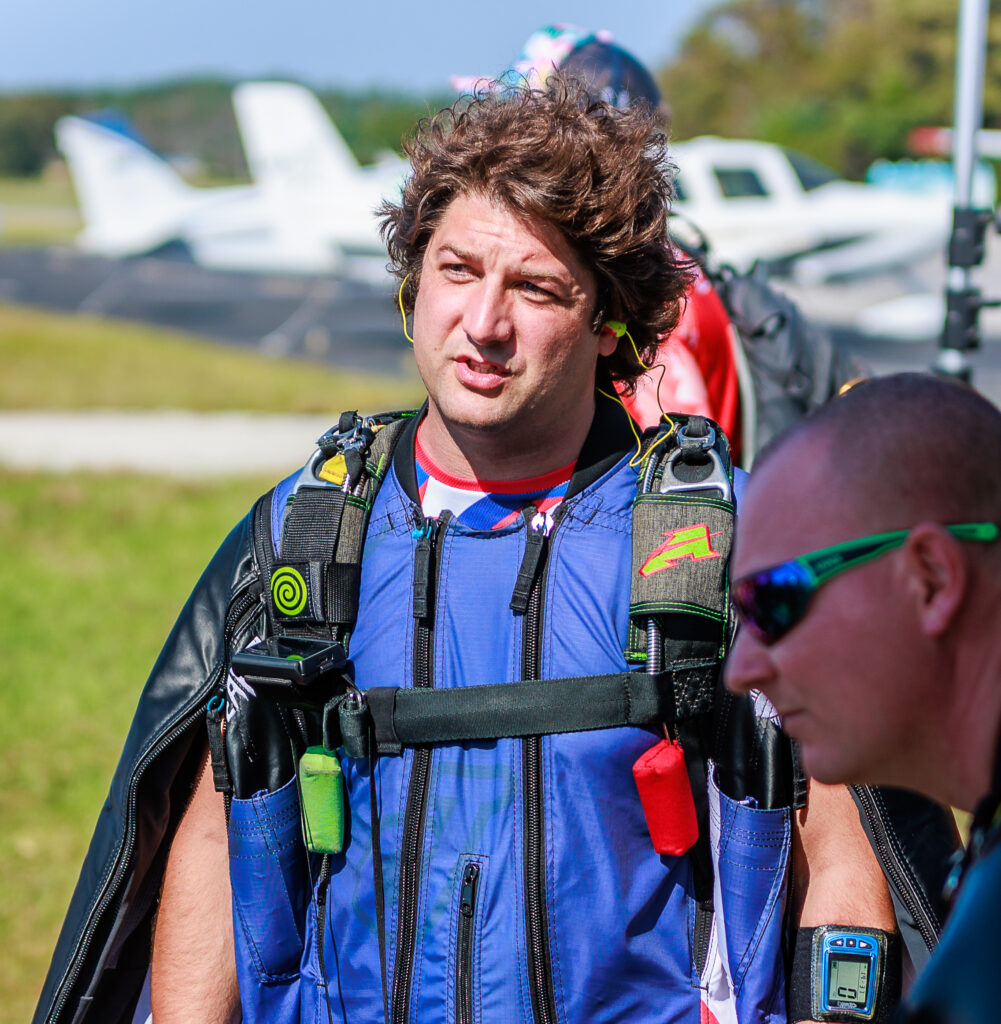
Jack Peploe
SQRL Wingsuit Coach, four-time national wingsuit acro champion, and lifelong student of the sky
Transcript
Alex (00:00)
We spend our whole lives being creatures of the earth, pushing, pulling, grabbing, doing these things. And then we put on a wingsuit and we can’t push, pull, grab, kick, run any of that. We have to learn how to now move our body in a way that gets the result we want.
Jack Peploe (00:18)
Welcome to The Leading Edge, the podcast that captures the art, science, and soul of wingsuiting. I’m your host, Jack Peploe, and today I’m joined by someone who has broken down flight to its most fundamental element, how we move. Some pilots focus on lines, others focus on performance, but for Alex Knaab, it’s about the body, understanding how every movement shapes the way we fly. With thousands of hours in the wingsuit tunnel and years of coaching experience,
Alex has developed a deep understanding of how subtle inputs from hips to knees to arms translate into real control in the air.
Alex (00:55)
Jack, thanks for having me on today. My name is Alex Knaub, as you know, and some of your listeners might know. And I’m a wingsuit pilot, wingsuit instructor, former tunnel instructor. had somewhere around a thousand hours in the wingsuit tunnel teaching there for a few years. That’s where we met. you know, my experience in the last six years of flying this wingsuit nonstop has taught me a lot about the way I move my body. And I’d like to share some of that with you today.
Jack Peploe (01:29)
Well, Alex, it’s a mega surprise to have you on the podcast. So thank you very much for coming on. ⁓ and this was actually us following up a chat. think we were sat in the sauna, ⁓ and we were chatting about all things movement of the body and what that means. So do you want to sort of start us off with kind of what got you thinking about this? Like why, why does the movement of the body matter that much?
Alex (01:53)
Well, why does it matter? It’s because it’s the only thing we can do. And We spend our whole lives being creatures of the earth, pushing, pulling, grabbing, doing these things. And then we put on a wingsuit and we can’t push, pull, grab, kick, run any of that. We have to learn how to now move our body in a way that gets the result we want and that’s why I started looking at how do we move because that’s how we fly.
Jack Peploe (02:26)
When you first started wingsuit what were you doing with your body that made sense on the ground but didn’t necessarily make sense in the air? Like where did that kind of whole concept come from?
Alex (02:35)
When I first started, no, no, Jack, I had no idea what I was doing. was guessing. mean, and even one of the things I found early on was that I’d get coaching and they would, it would be do a transition or, you know, push your hips or like hips up or arm. And it would be some, it’s like get tall.
I thought to myself like what is it? What do I do with my body to make myself taller or you know and and the words that were used to describe how to do stuff Was not the way I move my body. It wasn’t put my arm over here move your leg over there And it didn’t make sense. And so I just guessing what do you mean, you know? generate lift
So that’s where I, in the beginning, I found I didn’t know what I was doing. It wasn’t until I got to the tunnel and started learning from those guys that the way I move has direct effect in what happens and I could see it. I knew it from outside, but it wasn’t until a few years in where I was like, okay, let me watch what other people do, learn this, and then teach this.
Jack Peploe (03:54)
Let’s break this down a bit because there are so many different inputs within the body that can sort of be applied to, you know, your flying that can have an impact. you know, what happens aerodynamically when you just move one leg?
Alex (04:09)
How do you move it? And so I can’t answer the question without knowing what movement was done. And that leads us to kind of the mystery here is learning what the, when I move my leg forward, out, bend my knee, pull the toes in, because the legs have the knees and the feet can do something differently.
Do we bring them together? Do we move them apart? Do we have them, you know, one down, one up, one knee bent? Any of these things. Well, that’s what we have to learn. Those are the different movements. So to give you an example is if we’re flying along regular and we push the right knee down into the wind, we can go over to the right. But if we push the right knee out, right, to the right, then it’s going to push us to the left. yeah, learning this and knowing this and then practicing it is essential.
Jack Peploe (05:15)
Breaking this down because there are so many different inputs, right? So many different things that can be done. Like what would you say are the most significant movements in the air in relation to wingsuiting
Alex (05:27)
Well, let me back you up a second because we talked about there’s so many different inputs and it’s really not that many. We can break it down to, I think I have seven, we’ve got head, right? Shoulders, arms, chest, the belly, the hips and the legs. The legs, knees and feet work a little bit different, but if we just say legs and then from there, we can look at which ones have the most input. Now to your question, which one’s the most important? ⁓ For me, I think by far the arms is one of the most important because they are the wings of the wingsuit, at least two out of three of the wings. ⁓ And so that we have full control with our arms and we can almost set and forget everything else and can do everything with the arms. But I say that knowing that some people have a problem with hips. And if you can’t get your hips right, then you’re going to sink out of the sky or you’re going to be floating. And it’s not going to work no matter what you do with your arms. ⁓ And then the legs, if your knees bent kicking around, these are some high value. So arms, legs, hips, I think are the top three. If you got those right, you’re flying.
You can do kind of whatever you want with your head. Your shoulders can be a little off. Right. But the big inputs are the wings and the hips that connect the wings.
Jack Peploe (07:02)
I’m sort of pushing on within the tunnel and sort of, would say, starting the journey with tracksuit in the tunnel. And of course that is to try and sort of focus on your core, which is focusing less on your wings. How does that change things?
Alex (07:16)
I love that, right? I did the same thing, you know, and I put on a tracksuit and did a bunch of hours in that. Well, I think you’re better than me in the tracksuit, Kajal. But the, using the body is more important than using the arms for the base level of flying, right? We can just set it and glide just like in a tracksuit, right? You put that body in position and it’s flying. ⁓ The arms tend to get in the way, right? When we’re flying. And this kind of gets to why put on track suit on. ⁓ And so we’re not so reliant upon the arms and we learn to fly the body. And flying the body is the way to do it, right? You hear me say, the arms are the most important, but then you’ll also hear me say, fly the body. Don’t fly your arms. And I I don’t want to get caught up saying the wrong thing here because the arms are useful when doing stuff and I want to move. I want to go up, down. I want to pancake. I want to do transitions, all of these things. I’m going to use the arms for that or some sort of asymmetric lift that’s going to cause a movement. You can do a lot of that with the legs. But it’s the arms that are the main driver with that. Where people get over relying on arms, start pressing, pulling, trying to be creatures of the earth with their arms instead of creatures of the air and extension of the wing and surface area and tension along the leading edge pressing into that, you know, name drop for the podcast.
And now I’m kind of talking in circles here really, but the main parts are going to be flying the body and then using the arms to supplement that.
Jack Peploe (09:11)
There are quite a number of people that haven’t sort of had the grace of going to the tunnel. It’s obviously an absolute machine in helping you develop within the World of Wingsuit. But how could someone start developing better sort of body awareness without access to say the tunnel?
Alex (09:29)
Because what we do on the ground is what we do in the air. And the time I spend in the tunnel is ⁓ very small compared to the time I spend every day outside the tunnel, you know, thinking about flying. What am I doing here? I’ve got a set of daily exercises that I do ⁓ that are movement, specifically for isolating one piece of the body. So a lot of stuff I do in the gym, a lot of what I do in at home, just doing pushups and whatnot, is focused on, say, if I want to move one shoulder, I move one shoulder, right? If I want to turn my head, don’t turn my whole body with turning my head. So I can practice disconnecting the pieces and only moving what I want to move on the ground.
And sometimes I do it in front of the mirror so I can see what’s going on. And I wonder, wait, why am I making this movement? That’s not what I wanted to do. And then when I go to the air, I can do those movements again, knowing that I’m only moving the part I want to move. And there’s no question as to, you know, did I do it right kind of thing, because I practiced it right on the ground so many times that when I got in the air, I just did the same thing I was already doing.
Jack Peploe (10:56)
onto sort of the coaching side of things, ⁓ because I suppose this is how our conversation started in the first place is you’re trying to describe for someone to do something and it’s the misunderstanding of the movements that you’re trying to get someone to do. So what’s the most common coaching cue and wingsuiting that you think is often misunderstood?
Alex (11:12)
hips up and back flying more often than not, that ends up being arched. And so you get a back fly that looks like this because they’re trying to push their hips up. It ends up putting the upper body back rather than the hips forward. And it’s, I believe that has a lot to do with how we practice on the ground. If I’m on the ground, I want to push my hips forward, right? I, we bend our bodies.
But that’s not what I want to do. I want to rotate my hips forward and not arch forward. so that like hips forward when you’re back flying, was to me, that was a huge one. The guy told me when I was learning, was push the bush was like, and so I do that. I get on my back and I rod, you know, just push the hips forward and I do a layout.
And I was like, what happened? I don’t know. I had my hips forward. It’s not working. But I was doing it wrong because I was pushing my hips forward, but instead I wanted to rotate my hips forward and create a flat surface with my body. ⁓ I learned that later on.
Jack Peploe (12:32)
In your opinion, what’s the most powerful correction you’ve ever given that’s produced sort of instant change to someone’s flying?
Alex (12:38)
I’m not sure if it’s the most powerful one, but it’s the most recent one. And it was beautiful. I was flying with Joe in the tunnel and we were doing barrel rolls, the competition barrel rolls. So the rock and roll doc, rock and roll doc. ⁓ And his were losing forwards beat, right? So he’d just like slide back, you know, just so small and miss the doc. And we walked out and I said, bro, ⁓ just point your toes, right? Really drive forward. ⁓ And right before you do the barrel roll and try to get some forward speed. And so we go back and do the thing. And the whole next round, was go bang, go bang, go bang. ⁓ Barrel roll dock, barrel roll dock. And because he was taking that quarter second to just stretch everything out, point his toes, straighten his legs right, and get long, right, and then do the barrel roll, and was right there. ⁓ It was simple, easy fix, and right on the money. I loved it to see that instant change.
Jack Peploe (13:42)
guys should we be developing like a shared movement language in wingsuiting?
Alex (13:54)
yes and no. Yeah, I think yes, but then we’re gonna, also at the same time, there’s different cultures, different words. The Aussies are calling it different than the Brits and the Americans and, you know, for, I think the audience dependent, right? And I use that as a, find out what language they speak, right? And speak that language. ⁓ And If we did have a standardized, you know, this is the body movements, then we could all point to that. That’d be cool. ⁓ But we don’t today.
Jack Peploe (14:26)
What, in your opinion, was the biggest mistake or lesson that you’ve made in your Wingset career?
Alex (14:36)
I think was early on in my first wingsuit I went from the Swift to the ATC to the Freak, had my Freak 3, woo, brand new. And I thought the error was that, I’ve been using these used or not, you know, pre-owned suits that didn’t fit me. So I’ll just learn how to do all that stuff when I get my Freak that fits me. And so I decided that because my Freak fits me, I’m going to learn how to back fly, transition and barrel roll when I get that suit.
And after about 450 jumps in the freak, I still didn’t get it. And that’s about the time I went to the tunnel and had to go back down suits to the havoc and really learn how to fly again. I thought I could learn it in the big suit in the sky and it ended up wasting a lot of time. I think that was my biggest mistake trying to beat that.
Jack Peploe (15:30)
No, I think to be honest, it’s probably one of the biggest mistakes for most of us, right? It seems like many, many people seem to make this same mistake and we don’t seem to learn from it. We don’t seem to be able to pass this information down. But look, Alex, it’s been so great to have you on. I think we’re gonna have to have you on for round two, talk more around these movements, because 15 minutes is just not enough time.
Alex (15:50)
It’s not. And when, you know, we can break these down and spend 15, 20 minutes on each one of these body parts. So.
Jack Peploe (15:57)
Yeah, yeah. And I think we’re gonna have to do that.
Alex (16:00)
I look forward to it. Thank you for having me on today.
Jack Peploe (16:04)
No problem, amazing, thanks Alex.
Jack Peploe (16:07)
Huge thanks to Alex for sharing his journey, not just the flying, but the understanding behind how we move in the air. His story is a reminder that great wingsuit flying isn’t about guessing. It’s about awareness, precision, and learning how to truly use your body as a tool for flight. If this conversation made you think differently about how you move, train, or fly, share it with a friend and follow The Leading Edge for more stories from the edge of human flight. I’m Jack Peploe, and this is The Leading Edge.