
Podcast Summary
For Tomic Kluzniak, wingsuit progression isn’t about jump numbers or timelines it’s about skill, repetition, and patience.
In this episode of Leading Edge, Tomic shares his philosophy on earning freedom in flight, the four quadrants of a complete wingsuit pilot, and why true progression comes from slowing down, not rushing ahead.
What you’ll hear on Leading Edge:
| 00:10 | Introduction |
| 00:59 | Discovering Wingsuiting: The YouTube Rabbit Hole |
| 01:45 | Built for Progress: The Mindset Behind the Pilot |
| 03:37 | The Four Quadrants of a Complete Wingsuit Pilot |
| 05:32 | Why the Wingsuit Tunnel Is a Game Changer |
| 06:21 | The Path from Sky to Base: Don’t Rush |
| 07:37 | The Real Drive: Becoming a Wingsuit Supercomputer |
| 08:54 | Coaching: You Can Teach Skills, Not Purpose |
| 09:43 | What You Don’t See on Instagram |
| 11:19 | Where Wingsuiting Goes Next |
| 12:56 | Lessons Learned: Early Solo Progression & Coaching Later On |
| 15:06 | Final Reflections: Patience, Purpose, Progress |
Guests
A huge thanks to Tomic Kluzniak here for joining me on the podcast:
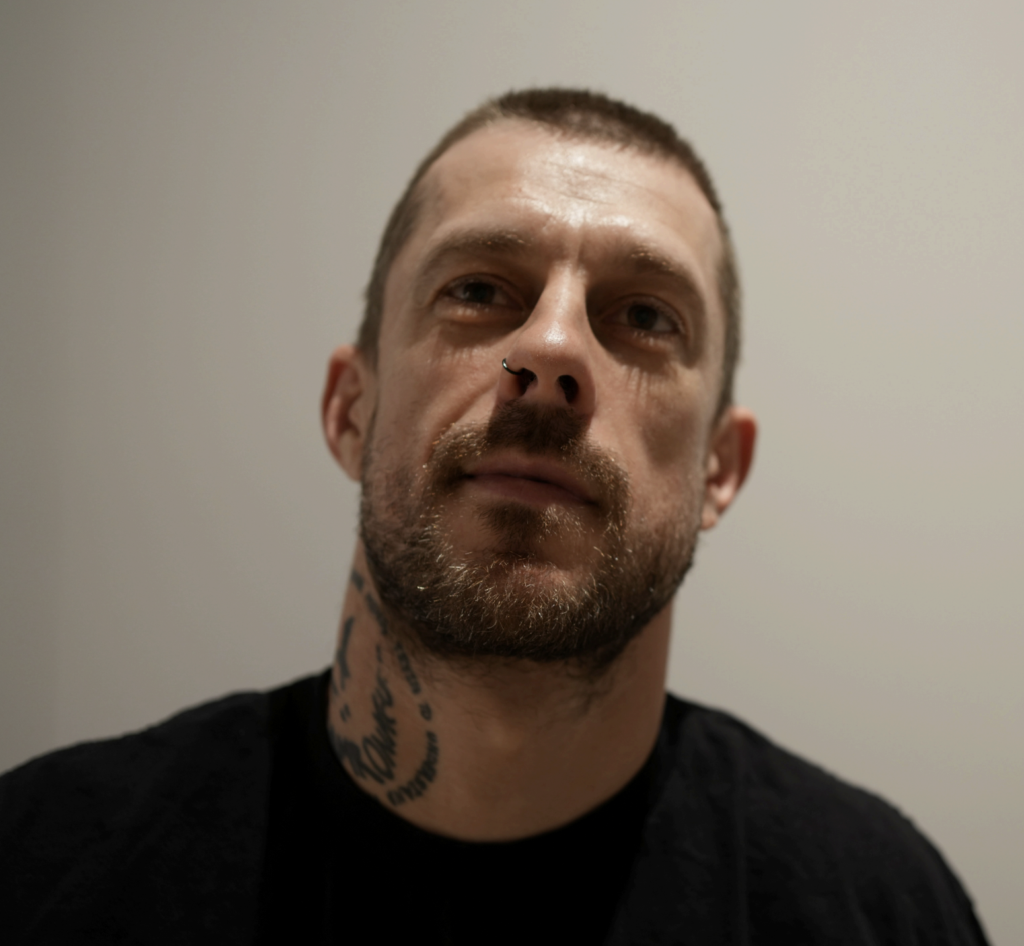
Tomic Kluzniak
Wingsuit skydiver, Base jumper, Tunnel instructor and coach. Competitions, fun jumps, training or solos im dedicated to my own progress and helping other people progress in the sport that means everything to me.
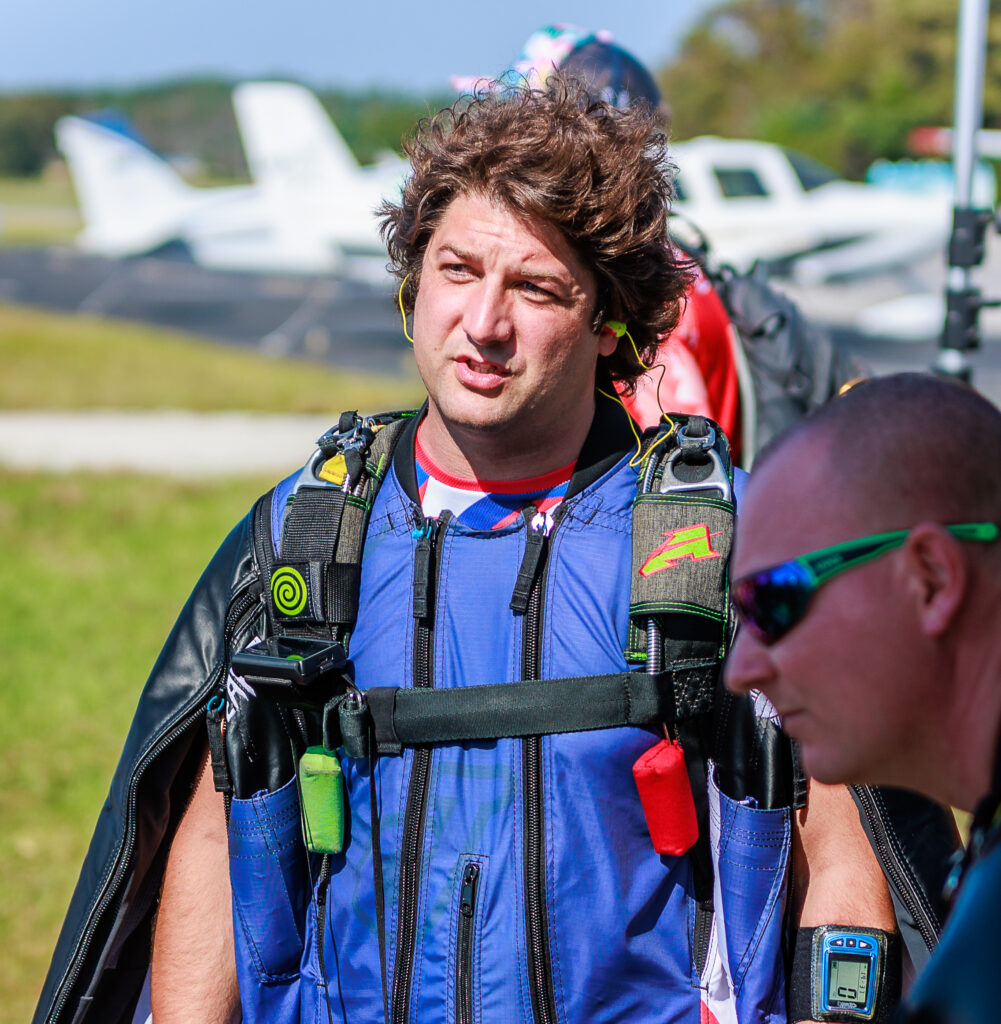
Jack Peploe
SQRL Wingsuit Coach, four-time national wingsuit acro champion, and lifelong student of the sky. Founder Of LeadingEdge
Transcript
Tomic (00:00)
I mean, everyone’s journey and their time to progress is going to be different, right? Everyone learns different rates, everyone has different opportunities. But the important thing I think is, it’s not about time and, and jump numbers or this or that. It’s about skill acquisition.
Jack Peploe (00:19)
Welcome to The Leading Edge, the podcast that captures the art, science, and soul of wingsuiting I’m your host, Jack Peploe and today I’m joined by someone whose flying style has redefined precision and creativity in the air. Some people chase flight for the rush, others for the view, but for Tomic Kluzniak, it’s about the process, the repetition, the discipline, the art behind the movement. From the tunnel to the mountains, he’s built his flying around one principle, earn every second of freedom. In this episode, we explore what it means to dedicate your life to progress and how precision and patience can become the ultimate form of expression in the sky.
Jack Peploe (00:59)
Tomic, it great have you on and a massive congratulations with your success of the world wingsuit league. Tomic must be buzzing. Nice. So let’s start from the beginning. What drew you towards flight and how did you find your way into sort of wingsuiting initially?
Tomic (01:04)
Yeah, yeah, pretty stoked. I guess I found it on YouTube, like lot of other people, I guess. I mean, I first found base jumping on the internet, well, on like a rock climbing video. But in the beginning, I just thought that that was like something that only super humans could do, know, that wasn’t accessible for just like a normal human to do. So yeah, once I found that, just kind of started, just went down a rabbit hole to try and figure out how to do it.
Jack Peploe (01:45)
You’ve been described as someone sort of completely dedicated to progress, which is kind of interesting because you found this, this concept of wingsuiting and looking into the base field. But where did you get the drive from? Have you always been a quite a driven person or is it just something that because you saw this and you thought, this is superhuman. This is potentially accessible. I could do this.
Tomic (02:03)
I guess part of me has always been a bit like this. mean, I’m a bit of a loner. Oh, you know, that kind of do things alone. I’m only child. Yeah, I mean, I’m just kind of always whatever sport that I kind of got into, like whether it was skateboarding or, or rock climbing or surfing or whatever it was, I’ve always kind of just like been super passionate about trying to be as good as I can at whatever it is and then to be as good as I can at whatever this thing is, always try to break it down and see, okay, if I want to, you know, be good at skateboarding, I got to be, you know, good, good leg muscles or whatever it is, you know, try and break it down and then just try and train for it and you know, get better as you know, time goes on. I think rock rock climbing kind of helped me a lot with the wingsuit.
Progression and base progression, believe it or not, just because when I got into rock climbing, you have to, if you have projects to get better at the projects or to climb the projects, you know, you got like a crux move in the, in the climb. And then you got, know, the rest of the climb is kind of breaking down into, into sections. So then you’d go and climb the climb and you’d fall off at a certain move. And then I’d be like, okay, I need to get better at this and this.
So then I’d go back home and go to the gym. I train for this and this move and then come back and put the pieces together. And I think that kind of translates over to the wingsuit projects.
Jack Peploe (03:37)
You once mentioned the four quadrants of becoming a complete wingsuit pilot. Can you walk us through those and how they shape your flying?
Tomic (03:44)
To be a complete wingsuit pilot, you can’t just be a wingsuiter, right? That just goes and jumps and does acro jumps or whatever. ⁓ To be a complete wingsuit pilot, I feel like you need some like ⁓ four quadrants of kind of let’s say skill sets, like a vertical component, which is like vertical tunnel free fly, whatever, ⁓ Like the actual wingsuit performance side of things. So say wingsuit performance, skydive competitions and other, you know, things that you get from different skydiving, like flying a canopy, for example, you know, diving, flaring this and that. Like a mountain and say base component where you can only learn those certain skills, like flying around terrain. You need to be in the mountains. need to understand the weather conditions. need to, you know, have develop a site picture when you’re flying over terrain. ⁓ so you need to spend time in that and develop skills in that quadrant. And then the last one would be something like the wingsuit tunnel where you have, you work on precision and repetition. And you learn how to move your body in like a very fine tuned way. And the amount of repetition and the way you move your body kind of helps you not only with precision, but with being able to put your body into the positions that you want to achieve the goal that you want. So whether that’s doing a transition or or say getting maximum lift off the off the ground,
You know exactly how to move your body to achieve that without having to really think about it.
Jack Peploe (05:32)
Becomes subliminal in the background. just sort of automatically happens because you’ve just got that feeling. Nice. So you’ve been one of the instructors shaping the wingsuit tunnel scene, which is really cool. How do you see it changing the sport?
Tomic (05:35)
Yeah, yeah, exactly. I think it’s a game changer. I mean, not in every single way possible, obviously. Like there’s many things in wingsuiting that you just can’t learn in the tunnel. But yeah, just like I said before, it’s, it’s, there’s heaps of components that really, really help within your wingsuiting. And in terms of like precision, you can just see now when you go skydiving, the people that have been to the tunnel and the people that haven’t been to the tunnel, right? It’s like, it’s, night and day. So I mean, in terms of bringing everybody’s level up, think the game channel is a game changer.
Jack Peploe (06:22)
Someone listening who’s wanting to progress from sky to base, what kind of work should they be putting in and in what particular order? I you mentioned some things there, but what else?
Tomic (06:30)
Sound like a broken record, but do not do not rush. That’s like, you know, I mean, everyone’s journey and their time to progress is going to be different, right? Everyone learns different rates, everyone has different opportunities. But the important thing I think is, it’s not about time and, and jump numbers or this or that. It’s about skill acquisition.
So it’s making sure that you have the necessary skill to progress onto the next thing. There’s no point in you progressing onto wingsuit base jumping when you can barely fly a base canopy. So you need to do the, just doing the progression in a way that.
You move on to each step. So go start skydiving, start to learn to fly your body. Once you fly your body, then you’ve learned to fly a small wingsuit. Then once that’s good, then step, next step, next step, next step. You know, as you move along and like any kind of base coach, skydive coach, you know, we’ll be able to help you with this sort of progression. I guess that would be my best. My biggest tip is just focus on the skills and not the jumps and the numbers and things like that.
Jack Peploe (07:37)
No, no. you said that you don’t fly for Instagram. What’s your real motivation when you step up onto an exit?
Tomic (07:49)
Man, I just love to fly, man. This is like, how do I explain it? Yes, my goal. I just want to be like a wingsuit supercomputer. If that makes any sense. You know what I mean? Like every kind of wingsuiting. I just want to learn, learn, learn as much as I can. And in this kind of life that I’ve got, right, I just want to put everything I can into it to be as good as I can to see what I can achieve. Right.
It’s like my purpose, I guess, and it drives me. So I just love going out there and again, like having projects that I can create for myself or fly in the way I want to fly because I love to fly. That’s like the drive behind all of it for me. I mean, like lots of people say, ⁓ I like get into the sport because of the people or this and that bullshit. Like it’s not, that’s not it for me. You know what I mean? It’s like each their own. I get it. But for me, I just love to fly.
So the more I fly, whether it’s by myself, whether it’s acro, whether it’s performance, whether it’s mountains, whatever, as long as I’m flying, I’m happy.
Jack Peploe (08:54)
As a coach, how do you help others find their own version of that, their own reason sort of to fly?
Tomic (08:59)
For me to find someone else’s reason is kind of like, not impossible, but it’s like, it’s got nothing to do with me really, I can help them achieve maybe what they want within the sport. But it’s up to them to find, you know, to find their reason why they want to do the thing. And if it’s like, I don’t know, maybe some people just you know, you can’t really say that everyone you’re doing this and that for the wrong reasons because you just don’t know someone’s past this or that or what they want out of life. So I guess that’s not a question that I mean, not a thing that I really can help them with. I’ll help them with the flying. But that’s about it.
Jack Peploe (09:42)
Yeah. Looking at your sort of your profile on Instagram and things, when people see your videos online, what do you wish they understood about the work behind them?
Tomic (09:49)
Yeah, how much time it takes, I mean, time and just like, I guess, lot of sacrifice and that you can’t see any of that stuff on, on the, you know, the social media and all that. So yeah, ⁓ just, yeah, I mean, pretty much, that’s pretty much it. Just the work that goes into each and every little thing. And
Tomic (10:19)
The yeah, the time I guess as well. It’s all it’s all tied into the same thing, right? Not kind of not rushing. And then every now and then there’s like, say, put a video out, which is, I guess, just the ⁓ let’s call it. I don’t know. I don’t have the word for it. But just like the tip of the iceberg of say what I’m doing out there. And I’ll do the Instagram thing because you know, sponsors, they kind of need that stuff. And, and there is a part of it that I do like, I do have like this creative part of me, which I like, you know, creating little edits and things with the, the way I fly and the music and this and that. But yeah, the, the work that goes into the actual projects is, is something that I wish there was a better way to kind of
Jack Peploe (10:51)
Yeah, yeah, yeah.
Tomic (11:19)
To showcase it, but unless I create a whole edit showing, know, waking up at five o’clock in the morning, going to a run, going to the gym, going to the work, going to work, you know, working, come back home, planning a product. Like there was just like footage and footage and footage of me planning and planning and training and training and training for them to do one flight. It’d be kind of boring for, you know, so. Yeah, so.
Jack Peploe (11:43)
You’re gonna lose your audience and lose your sponsors, right? Where do you think Wingsuit is going from here? Like what’s the next thing for Wingsuit in your opinion?
Tomic (11:52)
Man, who knows? It’s like the, feel like there’s so many different little kind of strings now, like, you know, the Wingsuit performance stuff’s going one way, Wingsuit base is another way. There’s people like Peter doing all these like air foils and this and that, like the novelty kind of stunt things, you know, like the Red Bull team doing whatever projects and creating that sort it’s just kind of, I feel it’s just evolving, but not in, literally like just one path. So so yeah, I don’t know, I would like to focus myself more on like the creative side of things like flying to different lines and making things not different, but trying to create new ideas for flying lines and that in the mountains and even in the sky, and trying to create some new things. But I mean, that’s not easy to do because much it’s already been done. It’s just fun either way. So it doesn’t really matter if it is or it isn’t.
Jack Peploe (12:56)
What’s the biggest lesson or mistake you’ve learned through flight?
Tomic (12:59)
I guess in the beginning, I didn’t have the normal kind of like first flight course like everyone, but I didn’t know what I didn’t know back then. So I just got given a wingsuit and here, chuck this on and this is how you unzip it and have fun. And I learned on my own. it was like, yeah, my progression, it would have been good to get like a coach or something earlier. Whereas like the first coach that I kind of ever had any contact with was Luke. Luke. And that was like when I was already hundreds of jumps deep already learned how to Luke Rogers. and do things. And then he kind of taught me, like the wingsuit performance, like helped me with the wingsuit performance side of things. And, and yeah, like, guess that’s when I started to get more like influenced.
Jack Peploe (13:30)
Okay.
Tomic (13:51)
By other coaches and their experiences and this and that and other perspectives and other before that I was just running solo and just jumping on my own and looking at Instagram trying to learn or YouTube and trying to learn off how people flew just by watching. Maybe if I kind of connected and networked a little bit better or got coaches, you know what I mean? And that might have helped my progression. Maybe, you know, I would have done things maybe not quicker, but
Yeah, I guess quicker in another way, I guess it helped me not rush because you know, then I sometimes I feel like getting a coach too soon and or whatever. It’s just like you get outlined, do this, do this, do this, this, do this, do this. And then they kind of they have a like a path shown to them. And then I’m like, okay, well, after I’ve done this, I’m ready to do this. But because I didn’t have that, kind of just tried to learn everything about everything. So I slowed everything down for me. I had like hundreds of jumps before I even learned how to do a transition and or whatever. So it kind of maybe a blessing in disguise for me a little bit. I don’t know.
Jack Peploe (14:52)
Well, look, Tomic, amazing job and like hats off to you. know, your progression has been immense and what you’re doing is awesome. But thank you very much for coming on Leading Edge. I really appreciate it.
Tomic (15:15)
Sweet, no worries mate.
Jack Peploe (15:19)
A huge thanks to Tomic for sharing his journey, not just the flights, but the mindset behind them. His story is a reminder that freedom in flight isn’t luck, it’s earned through patience, repetition and purpose. If this conversation inspired you, share it with a friend and follow Leading Edge for more stories from the edge of human flight. I’m Jack Peploe and this is The Leading Edge.